World Enters High-Risk Phase as Overlapping Crises Stretch Global Systems
The world is entering what analysts describe as a high-risk phase, as overlapping crises across security, economics, climate, and humanitarian fronts place unprecedented pressure on global systems and international cooperation.
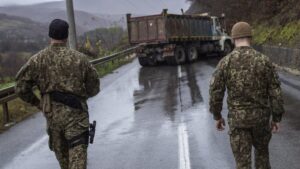
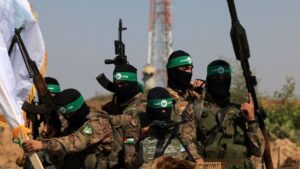
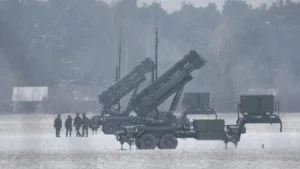
From prolonged conflicts in Eastern Europe and the Middle East to rising instability in parts of Africa and Asia, governments are struggling to manage challenges that are no longer isolated. Officials warn that today’s risks are increasingly interconnected, with political tensions, climate shocks, and economic stress reinforcing one another.
Humanitarian agencies report worsening conditions for millions of civilians. Displacement levels remain high, food insecurity is expanding, and aid delivery is becoming more difficult due to funding shortfalls and access restrictions. The United Nations has cautioned that humanitarian needs are rising faster than available resources, forcing agencies to make difficult choices about where and how to respond.
Economic pressure is adding to global strain. Inflation remains elevated in several regions, while debt burdens in developing countries continue to grow. Volatile financial markets and slowing global growth have heightened concerns that economic stress could trigger social unrest, particularly in countries already facing political or security challenges.
Security risks are also evolving. Cyberattacks targeting government institutions and critical infrastructure have increased, exposing vulnerabilities in digital systems that underpin public services and financial networks. Analysts say cyber operations are now routinely used alongside diplomatic and military tools, complicating efforts to deter and respond to threats.
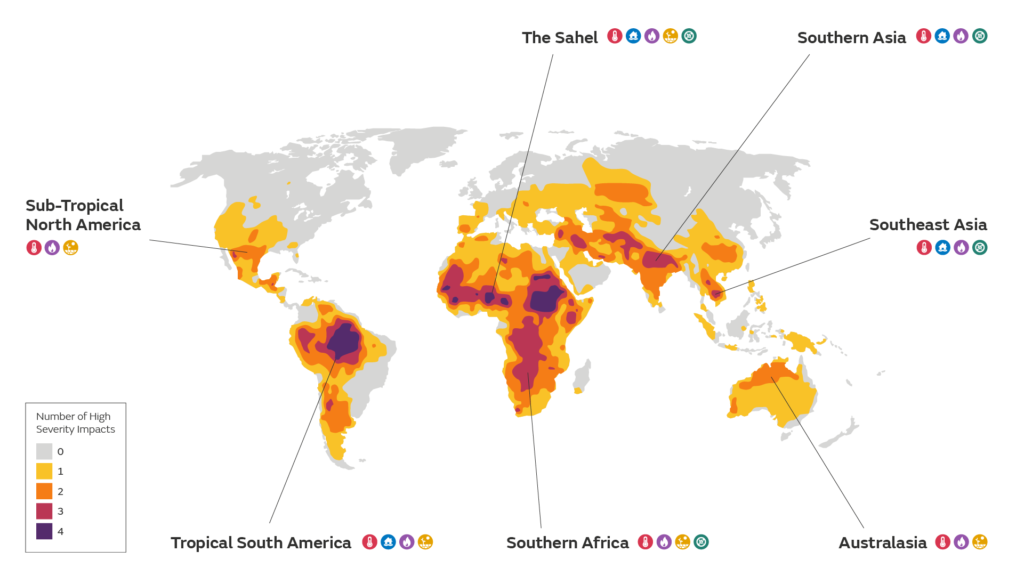
Climate-related shocks are further amplifying instability. Extreme weather events, prolonged droughts, and floods are disrupting food production and displacing communities, placing additional pressure on fragile economies and governance structures. Climate experts warn that without sustained investment in adaptation and resilience, these risks will intensify.
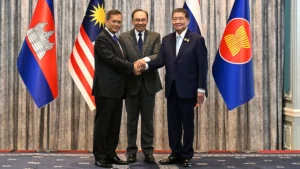
Diplomatic efforts to reduce tensions and stabilise key regions are ongoing, but progress has been uneven. Deep divisions among major powers have limited coordinated action, while regional initiatives have produced mixed results. Experts argue that short-term crisis management is no longer sufficient.
As global risks continue to converge, world leaders face growing pressure to strengthen cooperation, invest in resilience, and address the root causes of instability. The coming months are expected to test the capacity of international systems to respond to a rapidly evolving and increasingly complex global landscape.
For more such articles, please follow us on LinkedIn and Instagram.