UN and World Leaders Urge Restraint as Protests Spread Across Key Hotspots
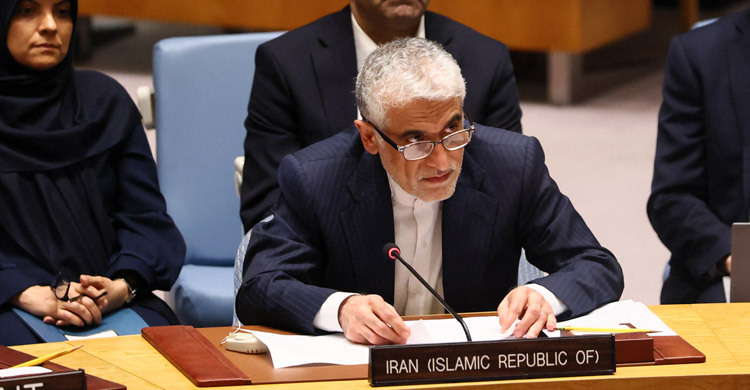
The United Nations and global leaders are calling for calm and cooperation as protests intensify in several regions, raising fears of further instability and humanitarian crises. With demonstrations turning volatile in parts of the Middle East, Eastern Europe, and Africa, international officials are urging governments to exercise restraint and protect civilians while keeping communication channels open.
In a statement released late Sunday, the UN Secretary-General stressed the importance of peaceful dialogue over force, warning that heavy-handed responses risk deepening public anger and triggering wider unrest. “The right to peaceful protest must be respected,” the statement said, adding that access to reliable information is critical during moments of crisis.
The call comes amid growing concern over internet shutdowns and restrictions on media coverage in protest hotspots. Human rights groups say communication blackouts not only limit transparency but also make it harder for families to stay safe and for emergency services to respond effectively. Several governments have defended the measures as necessary to prevent the spread of misinformation, but international watchdogs argue that cutting off information often escalates tensions rather than easing them.
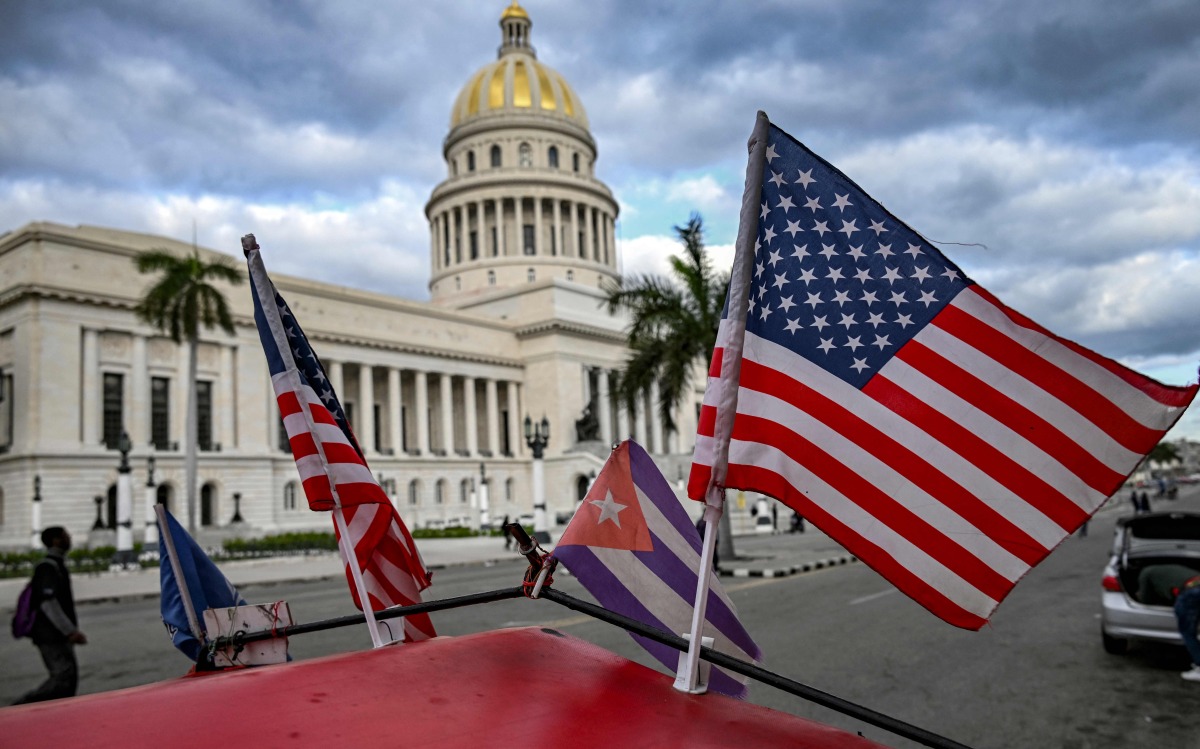
World leaders echoed the UN’s appeal during emergency diplomatic talks, emphasising the need for coordinated global action. European Union officials urged all sides to avoid violence and to allow independent observers to monitor developments on the ground. In Washington, senior U.S. officials said stability would depend on “measured leadership” and respect for fundamental freedoms.
Beyond immediate security concerns, the unrest is also testing international cooperation on digital access and crisis communication. Experts say that in today’s interconnected world, controlling the flow of information can quickly become a geopolitical issue. “What happens in one country now has instant global consequences,” said a senior analyst at an international policy institute. “That’s why coordination on security and information access is no longer optional — it’s essential.”
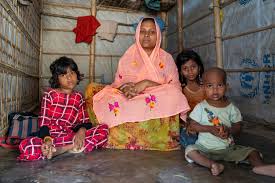
For people living in affected areas, the appeals for restraint carry deep significance. In cities where protests have disrupted daily life, residents report shortages of basic supplies, school closures, and rising anxiety over what comes next.
As tensions continue to simmer, the united message from the UN and world leaders is clear: dialogue must replace confrontation, and cooperation must take precedence over control. Whether that message will translate into quieter streets remains one of the most pressing questions for the days ahead.
For more such articles, please follow us on LinkedIn and Instagram.