Landmark Rohingya Genocide Case Opens at the UN’s Top Court
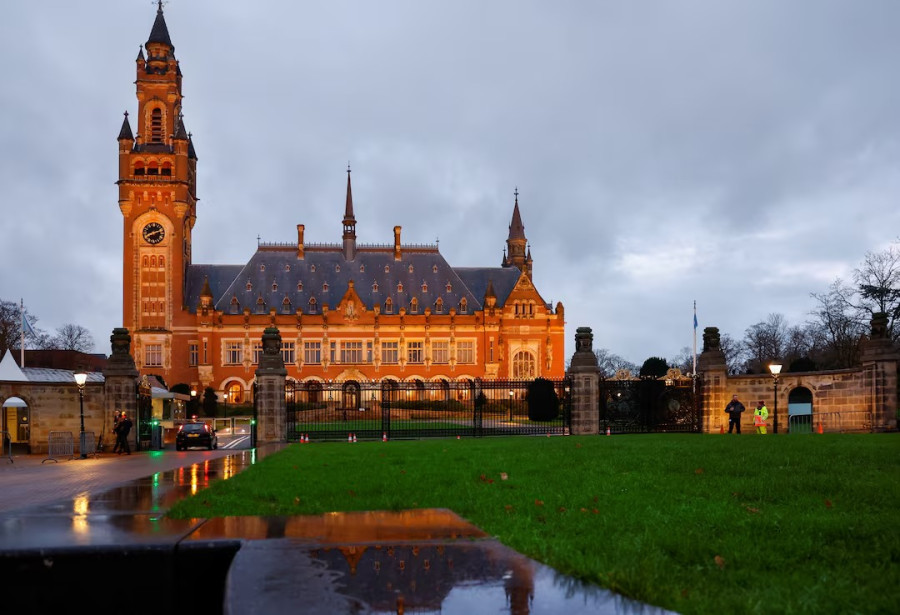
In a historic moment for international justice, hearings have officially begun at the International Court of Justice (ICJ) in The Hague on a landmark case accusing Myanmar of committing genocide against the Rohingya Muslim minority. The proceedings mark one of the most significant legal challenges ever brought before the United Nations’ highest judicial body, drawing global attention to a crisis that has displaced more than one million people.
The case, initiated by The Gambia on behalf of the Organisation of Islamic Cooperation (OIC), alleges that Myanmar’s military carried out systematic killings, mass displacement, and widespread human rights violations during its 2017 crackdown in Rakhine State. Survivors and international investigators have long described the campaign as a coordinated attempt to erase the Rohingya community from the country.
On the opening day of hearings, legal representatives presented detailed accounts of alleged atrocities, including villages burned to the ground, families separated, and thousands forced to flee across the border into Bangladesh. The ICJ will now consider whether Myanmar violated the Genocide Convention, a ruling that could have far-reaching consequences for international law and accountability.
Myanmar’s representatives have rejected the accusations, arguing that the military’s actions were part of counter-insurgency operations against armed groups and not a campaign of genocide. However, human rights organizations say the evidence points to a pattern of violence that goes far beyond conventional military action.
The case is being closely watched by governments, legal experts, and advocacy groups worldwide. A ruling in favor of the applicants could strengthen global mechanisms to hold states accountable for crimes against humanity, even when political pressure has failed to deliver justice.
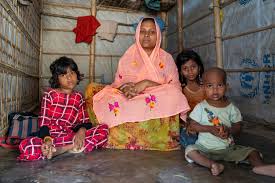
For the Rohingya refugees living in camps in Bangladesh and other countries, the opening of this case brings renewed hope. Many see the hearings not just as a legal process, but as a long-awaited acknowledgment of their suffering.
As the ICJ proceedings continue, the world is once again confronted with a defining question: can international law deliver justice where politics has fallen short? The answer may reshape how the global community responds to genocide and mass human rights violations in the years ahead.
For more such articles, please follow us on LinkedIn and Instagram.