U.S. Senate Votes to Scrap Measure Limiting Trump’s War Powers in Venezuela
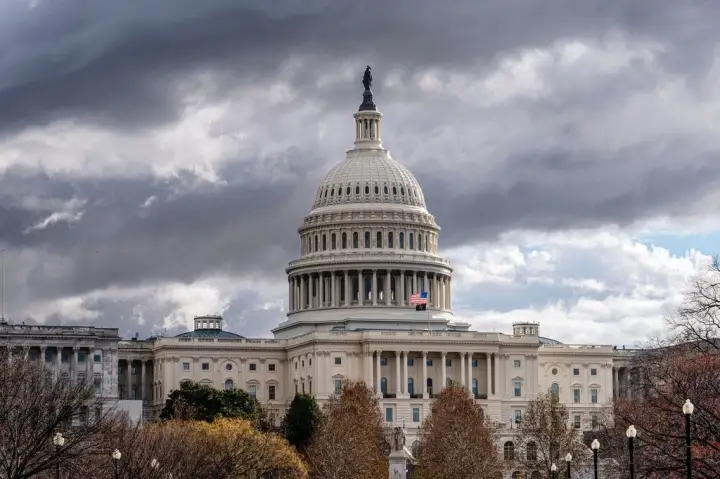
In a sharply divided vote that highlights deepening political fault lines in Washington, the U.S. Senate rejected a measure aimed at limiting President Donald Trump’s war powers with respect to Venezuela, dealing a setback to lawmakers seeking greater congressional control over military actions.
On Wednesday evening, the Senate voted 51–50 against advancing the war powers resolution, which would have required the president to obtain congressional authorization before initiating further military actions related to Venezuela. Vice President J.D. Vance cast the tie-breaking vote in favor of dismissing the measure, underscoring the fragile balance of power in the chamber.
The resolution had gained early bipartisan attention after an earlier procedural vote, when five Republican senators joined every Democrat to advance the measure, signaling unusual cross-party concern over executive military authority. However, intense pressure from the White House and direct lobbying by President Trump prompted at least two Republican defectors — Senators Josh Hawley (Missouri) and Todd Young (Indiana) — to reverse their support ahead of the final vote.
Backers of the resolution argued it was a necessary step to uphold the Constitution’s war powers framework, which places the authority to declare war and authorize sustained military engagements squarely with Congress. Critics of Trump’s stance say recent U.S. operations in and around Venezuela reflect an overly unilateral approach to foreign policy that could embroil the nation in broader conflicts without proper legislative oversight.
Supporters of the president countered that the resolution was unnecessary because, according to administration officials, there are currently no U.S. troops engaged in hostilities in Venezuela, and any future major military action would include prior consultation with Congress. Those assurances helped convince wavering senators to return to the party line.
The outcome marks a significant victory for the Trump administration’s foreign policy agenda but also highlights persistent unease among some lawmakers about executive authority. Democrats and a handful of Republicans have vowed to pursue additional legislative efforts to curb unilateral war powers in future sessions of Congress.
For more such articles, please follow us on LinkedIn and Instagram.