Trump Withdraws Mark Carney’s Invitation to ‘Board of Peace,’ Exposing Davos Diplomatic Strains
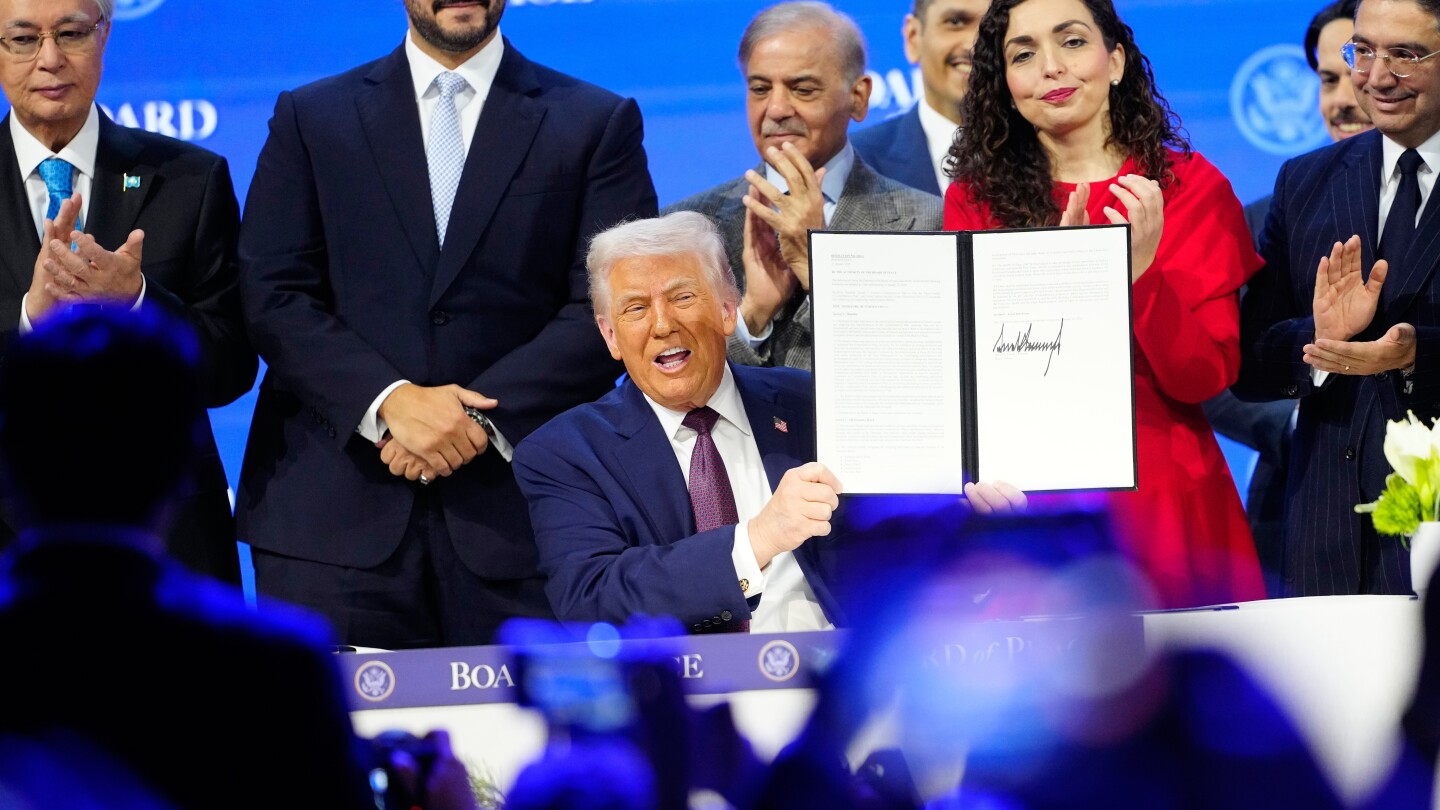
DAVOS, Switzerland — Diplomatic tensions surfaced at the World Economic Forum this week after U.S. President Donald Trump withdrew an invitation extended to Mark Carney to join the newly announced “Board of Peace,” an initiative unveiled during the final days of the Davos summit.
The decision, confirmed by officials familiar with the matter, added an unexpected twist to Trump’s high-profile appearance in Switzerland, where global leaders gathered to discuss economic stability, geopolitical conflict, and future cooperation. The reversal comes just days after Trump promoted the Board of Peace as a bold new platform aimed at conflict resolution, with a particular focus on ongoing global crises, including the Russia-Ukraine war.
While the White House has not publicly detailed the reasons behind the withdrawn invitation, the move has been widely interpreted as a signal of political and strategic differences among Western allies. Carney, a former central bank governor and prominent global economic voice, has been active in international discussions on democracy, economic resilience, and global governance — areas that have increasingly become points of debate at Davos.
Sources close to the forum said the withdrawal followed internal discussions surrounding the structure, membership, and funding model of the Board of Peace, which has already drawn scrutiny for its unconventional framework and limited participation from major U.S. allies at its launch.
The incident highlights broader fractures in diplomatic coordination at a time when world leaders are under pressure to present a unified approach to global security challenges. Several European officials attending Davos privately expressed concern that unilateral moves could complicate ongoing efforts to maintain consensus on Ukraine, global trade, and multilateral governance.
Despite the controversy, Trump has continued to emphasize that his administration remains committed to pursuing peace initiatives outside traditional diplomatic institutions, arguing that existing frameworks have failed to deliver results quickly enough.
As the Davos summit concludes, attention now turns to how these diplomatic signals will affect upcoming international meetings and whether the Board of Peace will gain broader legitimacy or face continued skepticism from key global stakeholders.
For now, the withdrawal of Carney’s invitation stands as one of the most closely watched political moments of Davos 2026, underscoring the delicate balance between ambition and alliance-building on the global stage.
For more such articles, please follow us on LinkedIn and Instagram.