Migration Pressures Rise as Conflicts and Economic Stress Spread
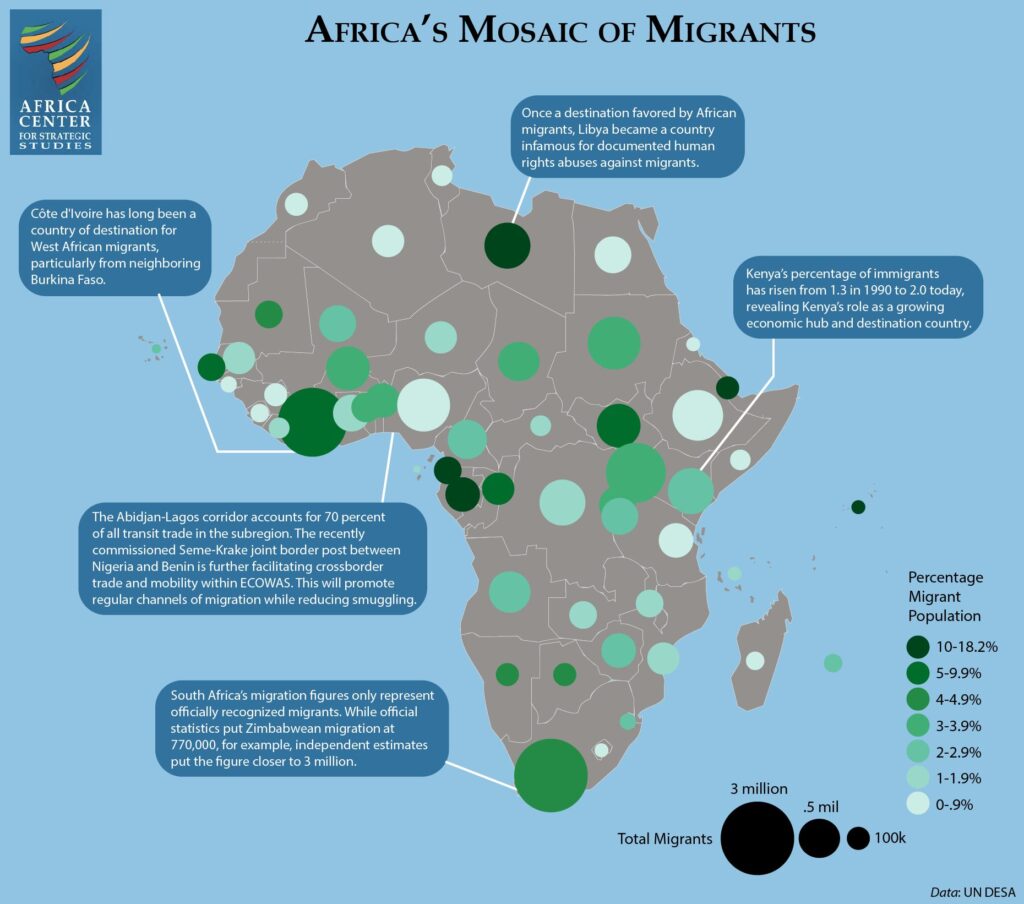
Migration pressures are intensifying across multiple regions as armed conflicts, economic instability, and climate-related shocks continue to displace millions, according to recent data from international agencies and government officials. The trend is placing a growing strain on border systems, host communities, and humanitarian networks already stretched by years of overlapping crises.
Ongoing wars in parts of Eastern Europe, the Middle East, and Africa remain a primary driver of forced displacement. At the same time, worsening economic conditions in several developing countries are pushing people to leave in search of work, food security, and basic services. Aid groups say the combination of violence and rising living costs is accelerating migration flows faster than policy responses can keep up.
Europe has seen renewed pressure along key migration routes, particularly in the Mediterranean, where arrivals have increased compared with the same period last year. Authorities in southern European states report overcrowded reception centres and mounting political tensions over burden-sharing within the bloc. In the Americas, record numbers of migrants continue to move north through Central America and Mexico, driven by inflation, gang violence, and weak job markets at home.
Asia is also facing growing internal and cross-border migration, as climate stress and slowing economic growth disrupt livelihoods in both rural and urban areas. Analysts warn that without sustained investment and regional cooperation, these movements could become more volatile in the coming years.
International organisations say funding shortfalls are compounding the problem. Humanitarian appeals for refugees and displaced populations remain significantly underfunded, limiting access to shelter, healthcare, and education. “The system is under severe pressure,” one senior aid official said, warning that reduced support could increase risks of exploitation and unsafe migration.
Governments are responding with a mix of tighter border controls, emergency assistance, and diplomatic efforts to address root causes, but results have been uneven. Experts argue that long-term solutions will require coordinated action on conflict resolution, economic development, and climate resilience.
As global uncertainty deepens, migration is increasingly emerging as both a humanitarian challenge and a political flashpoint, with implications that extend far beyond national borders.
For more such articles, please follow us on LinkedIn and Instagram.