World Leaders Push Diplomacy as Tensions Rise in Key Strategic Regions
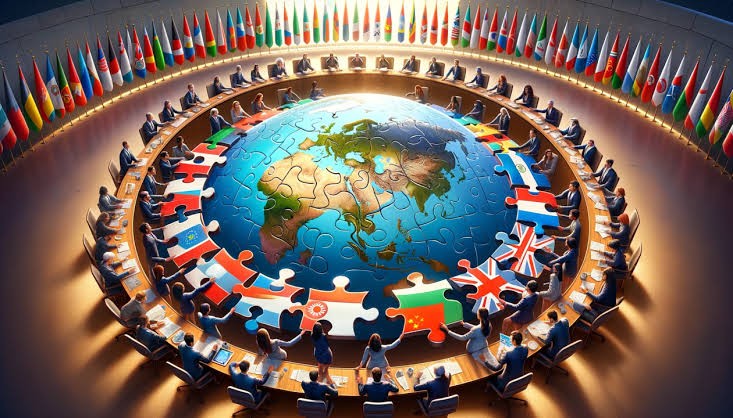
World leaders are intensifying diplomatic efforts as tensions continue to rise across several strategically important regions, raising concerns about global stability and the risk of wider confrontation.
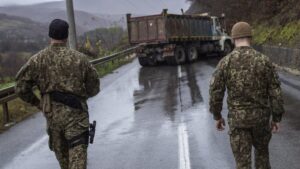
Senior officials from major powers have held a series of high-level meetings and phone calls in recent days, signalling renewed urgency to prevent flashpoints from escalating. Diplomatic activity has increased amid ongoing conflicts, military posturing, and sharp rhetoric in parts of Eastern Europe, the Middle East, and the Indo-Pacific.
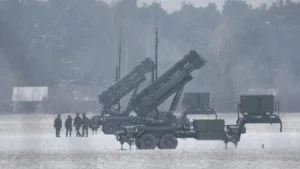
In Europe, the prolonged conflict in Ukraine remains a central focus, with Western leaders stressing the need to keep diplomatic channels open even as military support and sanctions remain in place. Officials say backchannel talks are ongoing to reduce the risk of miscalculation, particularly as winter pressures and economic strain add to uncertainty.
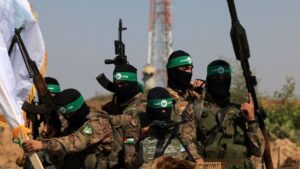
Meanwhile, in the Middle East, regional powers and international partners are pushing for dialogue to contain instability linked to ongoing hostilities and security incidents. Diplomats warn that any further escalation could have far-reaching consequences, including disruptions to energy markets and global trade routes.
The Indo-Pacific has also emerged as a key area of concern. Increased naval activity, territorial disputes, and competing security alliances have heightened tensions in recent months. World leaders have reiterated support for diplomacy, freedom of navigation, and international law, while urging restraint from all sides.
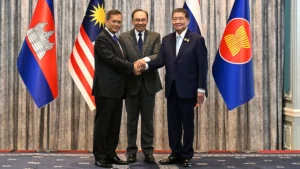
At multilateral forums, including recent international summits, leaders have emphasised the importance of cooperation and communication. Calls for renewed engagement through the United Nations and regional organisations have grown louder, with officials arguing that diplomacy remains the most effective tool to manage rising global risks.
Economic factors are also shaping diplomatic efforts. Slowing growth, fragile supply chains, and inflation pressures have underscored the cost of prolonged instability. Analysts say governments are increasingly aware that geopolitical tensions can quickly spill over into financial markets, trade, and energy security.
Despite the push for diplomacy, challenges remain. Deep mistrust between rival states and domestic political pressures continue to complicate negotiations. Some leaders face criticism at home for appearing either too confrontational or too conciliatory, narrowing the space for compromise.
Still, diplomats say sustained engagement is essential. “Dialogue does not mean weakness,” one senior official said, adding that communication is critical to avoiding unintended escalation.
As global tensions remain high, the coming weeks are expected to test whether diplomatic efforts can ease pressure in key regions or whether rivalries will continue to harden. For now, world leaders appear determined to keep talking, even as risks continue to mount.
For more such articles, please follow us on LinkedIn and Instagram.