Death Toll in 2‑Week‑Old Protests Challenging Iran’s Governance Passes 100
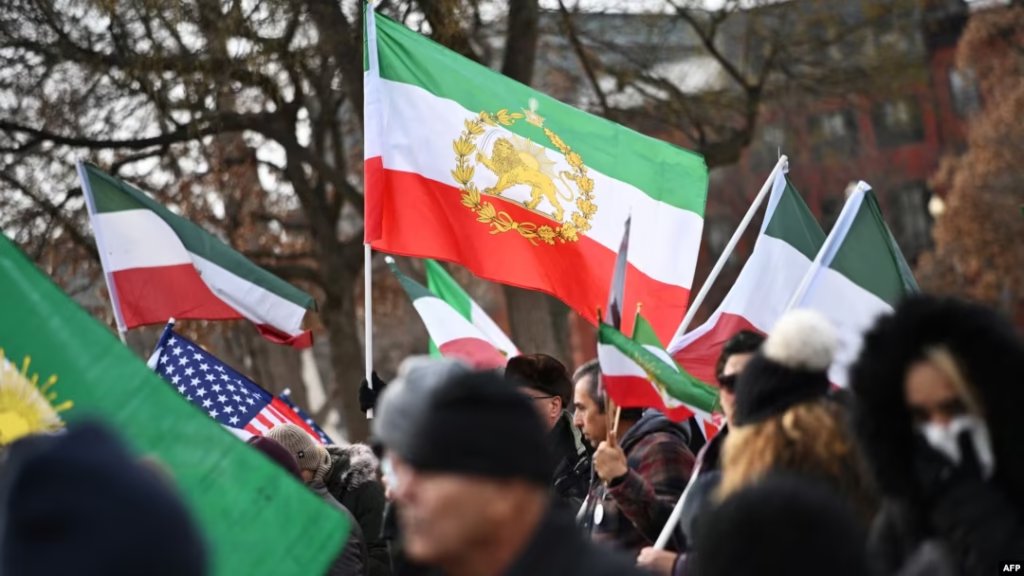
The death toll in nationwide protests challenging Iran’s governance has risen sharply, with activists reporting at least 116 people killed as demonstrations enter their third week. The unrest, sparked by deep economic distress and rapidly spreading across major cities, has turned into one of the most sustained challenges to the Islamic Republic’s theocratic leadership in years.
Protesters have taken to the streets in cities including Tehran, Mashhad, Isfahan, and others, defying a sweeping government crackdown that includes a near‑total internet and telephone shutdown. The communication blackout has made real‑time reporting from inside the country increasingly difficult, leaving much of the world dependent on activist and diaspora accounts.
According to the U.S.‑based Human Rights Activists News Agency, over 2,600 people have been detained amid the unrest. Security forces have used live ammunition, tear gas, and other crowd control measures against demonstrators, leading to mounting casualties. Rights groups say the number killed may continue to climb as protests and confrontations persist.
The demonstrations began in late December as anger over severe inflation, unemployment, and economic hardship boiled over into public dissent. What started as localized protests quickly morphed into nationwide rallies against the broader political system. Critics of the government argue that the clerical establishment’s failure to address everyday economic struggles has fueled widespread discontent.
Iran’s leadership has responded with a heavy security presence and tightening restrictions. Supreme Leader Ayatollah Ali Khamenei and other senior officials have denounced the unrest as foreign‑inspired and vowed a harsher crackdown, even suggesting that participants could face severe legal penalties. State media has largely focused on portraying the situation as under control, highlighting casualties among security forces and labeling demonstrators as “terrorists.”
International reaction has been mixed but increasingly critical, with foreign governments and human rights organisations calling for restraint and urging access for independent monitors. However, Tehran’s communications blackout has made verification of events inside the country challenging. As protests continue to spread, the death toll and political ramifications remain fluid and deeply concerning.
For more such articles, please follow us on LinkedIn and Instagram.