International Community Confronts Expanding Web of Crises Across Regions
The international community is facing an increasingly complex and interconnected set of crises as conflicts, economic instability, humanitarian emergencies, and security threats intensify across multiple regions, raising concerns about global stability and coordination.
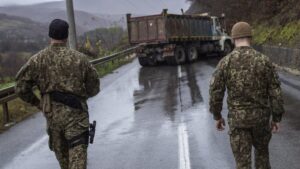
From prolonged wars in Eastern Europe and the Middle East to growing instability in parts of Africa and Asia, governments and international organisations are struggling to respond to overlapping challenges that are stretching diplomatic, financial, and humanitarian resources. Officials warn that no single crisis can be viewed in isolation, as political tensions, climate shocks, and economic pressures continue to feed into one another.
Humanitarian agencies report rising levels of displacement and food insecurity, with millions of civilians caught in conflict zones or affected by extreme weather events. According to aid groups, funding shortages and access constraints are limiting their ability to deliver assistance at a time when needs are at record highs. The United Nations has repeatedly cautioned that the global humanitarian system is under severe strain.
At the same time, economic uncertainty remains a major concern. High inflation, mounting debt in developing nations, and volatile financial markets have complicated recovery efforts following recent global shocks. Policymakers fear that economic stress could fuel social unrest and political instability, particularly in vulnerable countries already dealing with conflict or fragile governance.
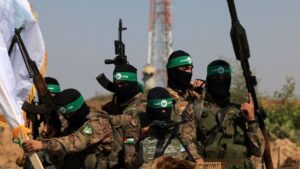
Security threats are also evolving. A rise in cyberattacks targeting government agencies and critical infrastructure has highlighted new vulnerabilities, prompting several countries to strengthen digital defences. Analysts say cyber operations are increasingly being used alongside traditional military and political tactics, adding another layer of risk to an already unstable global environment.
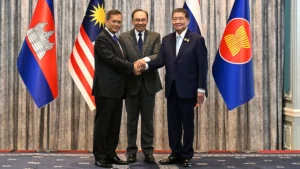
Diplomatic efforts to ease tensions continue, but progress has been uneven. While some regional talks have shown signs of momentum, deep divisions between major powers have made coordinated action difficult. Experts argue that renewed international cooperation will be essential to prevent further escalation and manage shared risks.
As crises continue to unfold across regions, world leaders face growing pressure to move beyond short-term responses and develop coordinated strategies that address the root causes of instability. The coming months are expected to test the resilience of international institutions and the willingness of nations to act collectively in an increasingly fractured world.
For more such articles, please follow us on LinkedIn and Instagram.