Humanitarian Crises Deepen Worldwide as Conflicts and Climate Events Displace Millions
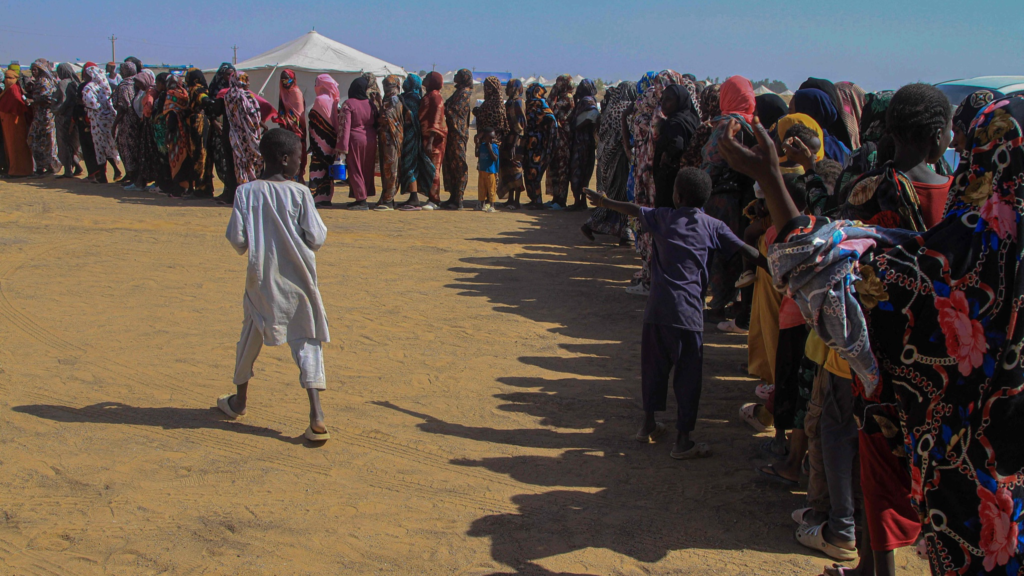
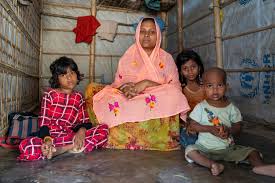
Humanitarian crises are deepening across the world as armed conflicts and escalating climate-related disasters continue to displace millions of people, placing a growing strain on aid systems and host communities.
According to humanitarian agencies, violence and insecurity remain the leading drivers of displacement in several regions, with prolonged conflicts forcing civilians to flee their homes in search of safety. At the same time, extreme weather events—including floods, droughts, and storms—are compounding the crisis by destroying livelihoods and infrastructure, particularly in vulnerable and low-income countries.
Recent assessments indicate that displacement levels remain at historic highs, with many people facing repeated or prolonged displacement. In conflict-affected areas, access to food, healthcare, and education has been severely disrupted, while funding shortages are limiting the ability of aid organizations to meet growing needs.
Climate-related shocks are increasingly acting as a multiplier. Droughts have pushed rural communities into urban areas, while floods and storms have triggered sudden mass movements of people. Experts warn that climate change is intensifying these risks, making humanitarian crises more frequent and harder to resolve.
Host countries and local communities are under mounting pressure as they absorb large numbers of displaced people. Governments are struggling to provide basic services, housing, and employment opportunities, raising concerns about social tensions and long-term stability. Aid agencies stress that international support is essential to prevent further deterioration.
The economic impact is also significant. Displacement disrupts labor markets, reduces productivity, and increases public spending at a time when many countries are already dealing with slow growth and high debt. Analysts warn that without sustained investment in prevention and resilience, humanitarian needs will continue to rise.
International organizations are urging governments to strengthen conflict prevention, invest in climate adaptation, and increase humanitarian funding. They emphasize that early action, diplomatic engagement, and support for local resilience can reduce displacement and human suffering.
As conflicts persist and climate extremes intensify, humanitarian officials warn that the global displacement crisis is entering a more dangerous phase, requiring urgent and coordinated international action.
For more such articles, please follow us on LinkedIn and Instagram.