From Battlefields to Markets, Global Stress Points Multiply
Global stress points are intensifying across both conflict zones and financial markets, as governments confront a growing mix of security threats, economic uncertainty, and humanitarian pressure that analysts warn could deepen instability worldwide.
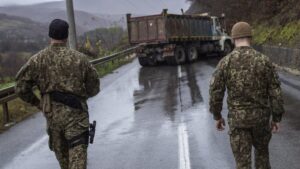
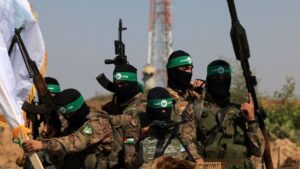
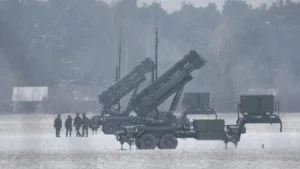
Ongoing fighting in parts of Eastern Europe and the Middle East continues to drive displacement and disrupt regional security, while simmering tensions in Africa and Asia are raising concerns about further escalation. Officials say modern conflicts are increasingly shaped by overlapping political, economic, and technological factors, making them harder to contain.
At the same time, global markets are showing signs of strain. Volatile energy prices, fragile supply chains, and persistent inflation have unsettled investors and complicated policymaking. Several central banks are balancing efforts to control inflation with the risk of slowing growth, as debt levels rise in both advanced and developing economies.
Humanitarian agencies report that civilian populations are bearing the brunt of these pressures. Millions of people remain displaced by war, extreme weather, and economic hardship, while funding shortfalls are limiting the reach of aid operations. The United Nations has warned that humanitarian needs are increasing faster than available resources, forcing difficult decisions on the ground.
Security threats beyond traditional battlefields are also expanding. Cyberattacks targeting government networks, financial institutions, and critical infrastructure have increased, exposing vulnerabilities in systems that underpin daily life and global commerce. Analysts note that cyber operations are now often used alongside military and diplomatic tools, adding another layer of risk.
Climate-related disruptions are further amplifying global stress. Heatwaves, floods, and prolonged droughts are damaging crops, pushing up food prices, and increasing migration pressures. Experts warn that climate shocks are acting as threat multipliers, particularly in fragile states already facing conflict or economic fragility.
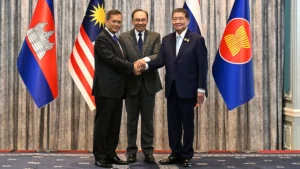
Diplomatic efforts to ease tensions and stabilise markets are continuing, but progress remains uneven. Deep divisions among major powers have limited coordinated responses, while regional initiatives have produced mixed results. Observers say short-term crisis management may no longer be enough to address the scale of today’s challenges.
As stress points multiply across battlefields and markets alike, world leaders face mounting pressure to strengthen cooperation, restore confidence, and address the underlying drivers of instability. The coming months are expected to be critical in determining whether global systems can absorb these shocks or slip into a more prolonged period of uncertainty.
For more such articles, please follow us on LinkedIn and Instagram.