Climate Extremes Escalate Globally, Prompting Urgent Calls for International Action
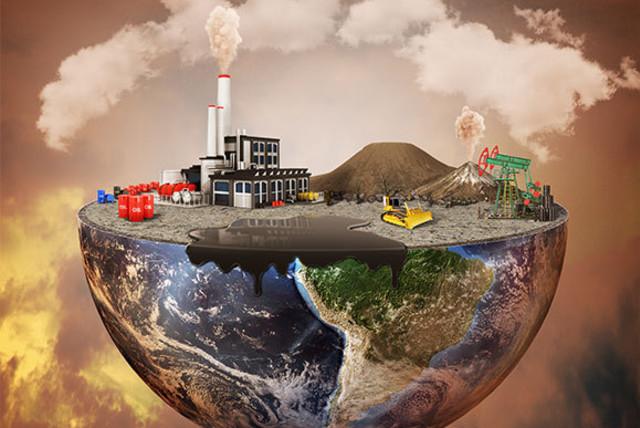
Climate extremes are intensifying across the globe, with record-breaking heatwaves, floods, droughts, and storms prompting renewed warnings from scientists, governments, and international organizations over the accelerating impacts of climate change.
In recent weeks, multiple regions have reported extreme weather events disrupting lives, infrastructure, and food systems. Heatwaves have strained power grids and water supplies in parts of Asia and Southern Europe, while severe flooding in Africa and Latin America has displaced thousands and caused widespread damage. Prolonged drought conditions continue to threaten agriculture in several regions, raising concerns over food security and rising prices.
Climate experts say the growing frequency and intensity of these events reflect long-term warming trends rather than isolated incidents. According to researchers, higher global temperatures are amplifying weather extremes, increasing the risk of both sudden disasters and slow-moving crises such as desertification and water scarcity.
Governments are facing mounting pressure to respond. World leaders and climate officials have called for faster emissions reductions, increased investment in climate adaptation, and stronger international cooperation. Developing countries, which are often the most vulnerable to climate impacts, are urging wealthier nations to provide greater financial and technical support to help communities adapt to worsening conditions.
The economic costs are also rising. Extreme weather is disrupting supply chains, damaging crops, and increasing insurance losses, adding strain to economies already dealing with slow growth and high debt. Analysts warn that without decisive action, climate-related shocks could become a persistent drag on global economic stability.
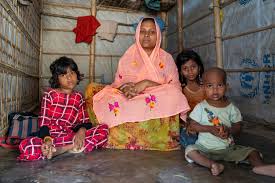
Humanitarian agencies report growing challenges as disasters stretch emergency response systems. Displacement linked to climate events is increasing, placing pressure on housing, health services, and social support networks. Aid groups stress that preparedness and early-warning systems are critical to reducing loss of life.
Despite ongoing international climate agreements, progress remains uneven. Experts argue that current commitments are insufficient to limit warming and reduce future risks. As climate extremes continue to escalate, officials warn that delays in action could lead to irreversible damage, making coordinated global responses more urgent than ever.
For more such articles, please follow us on LinkedIn and Instagram.