SARAJEVO — Thirty years after the end of Bosnia and Herzegovina’s devastating war, survivors, historians, and rights groups continue to grapple with how mass atrocities unfolded in the heart of Europe, leaving more than 100,000 people dead and millions displaced.
The conflict erupted in 1992 following the breakup of Yugoslavia, as Bosnia declared independence. What began as a political struggle quickly descended into violence along ethnic lines, with Bosniaks, Serbs, and Croats drawn into a brutal war marked by sieges, ethnic cleansing, and systematic abuses. Weak international response and fractured local governance allowed armed groups to operate with near impunity.
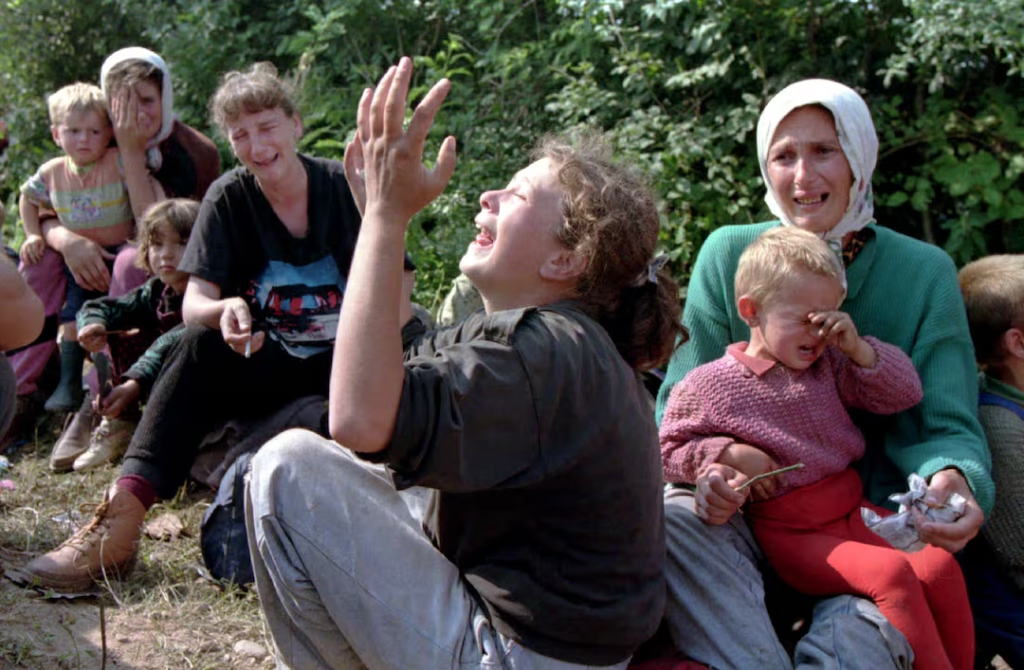
One of the defining features of the war was the deliberate targeting of civilians. Cities such as Sarajevo endured years-long sieges, while rural areas saw forced expulsions and mass killings. The 1995 Srebrenica genocide, in which more than 8,000 Bosniak men and boys were killed, became the most notorious symbol of the conflict’s brutality and a stark failure of international protection.
Analysts say the atrocities were driven by a combination of nationalist propaganda, political ambition, and the collapse of state institutions. Media outlets and political leaders fuelled fear and hatred, portraying neighbours as enemies and justifying violence as a means of survival. Armed militias exploited the chaos, using terror to seize territory and alter demographics.
The international community’s delayed and limited intervention is widely seen as another factor that allowed crimes to escalate. United Nations peacekeepers were deployed but lacked a strong mandate, while diplomatic efforts struggled to halt the violence until NATO air strikes and peace talks eventually led to the Dayton Agreement in late 1995.
Three decades later, Bosnia remains deeply shaped by the war’s legacy. War crimes trials at international and domestic courts have delivered convictions against senior political and military figures, yet many victims say justice remains incomplete. Ethnic divisions persist in politics, education, and daily life, complicating reconciliation efforts.
Commemorations held across Bosnia this week have focused not only on remembrance but on warning against historical revisionism. Survivors and activists stress that acknowledging how the atrocities happened is essential to preventing their repetition.
As Bosnia marks 30 years since the war’s end, the question of how such violence was allowed to occur continues to resonate, serving as a reminder of the consequences of unchecked nationalism, political failure, and global indifference.