Venezuela’s Rodriguez Signs Oil Reform Law as US Eases Sanctions
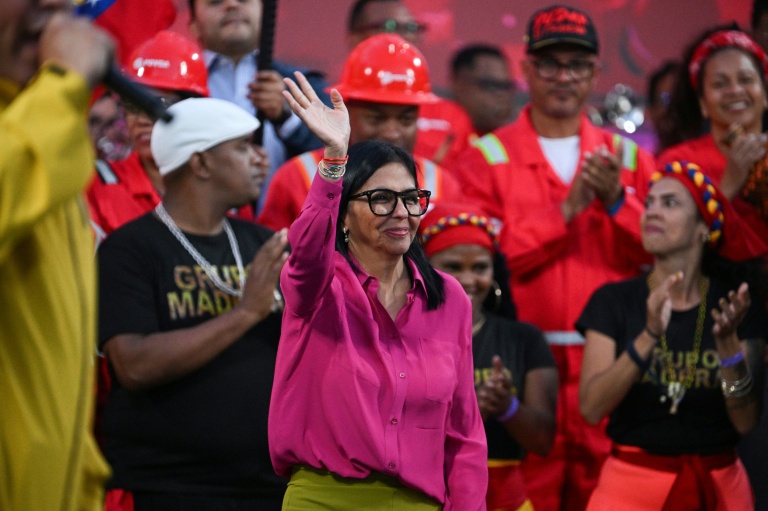
CARACAS — Venezuela’s acting President Delcy Rodríguez has signed a landmark oil reform law aimed at revitalizing the country’s long-struggling energy industry, just hours after the United States eased sanctions on Venezuelan crude exports, officials said.
The new legislation, approved unanimously by Venezuela’s National Assembly, marks a significant shift from decades of state control and nationalization of the oil sector. It grants greater autonomy to private and foreign operators, lowers taxation barriers, and gives the Venezuelan Oil Ministry enhanced authority over contracts, asset transfers, and outsourcing arrangements. The overhaul is seen as a bid to attract much-needed foreign investment and revive production.
Rodríguez hailed the reform as a “historic step” toward economic recovery, saying it opens the door to fresh capital and industry expertise that could help rebuild Venezuela’s once-dominant oil sector. The measure also eliminates restrictions that previously limited independent production and dispute resolution under Venezuelan courts.
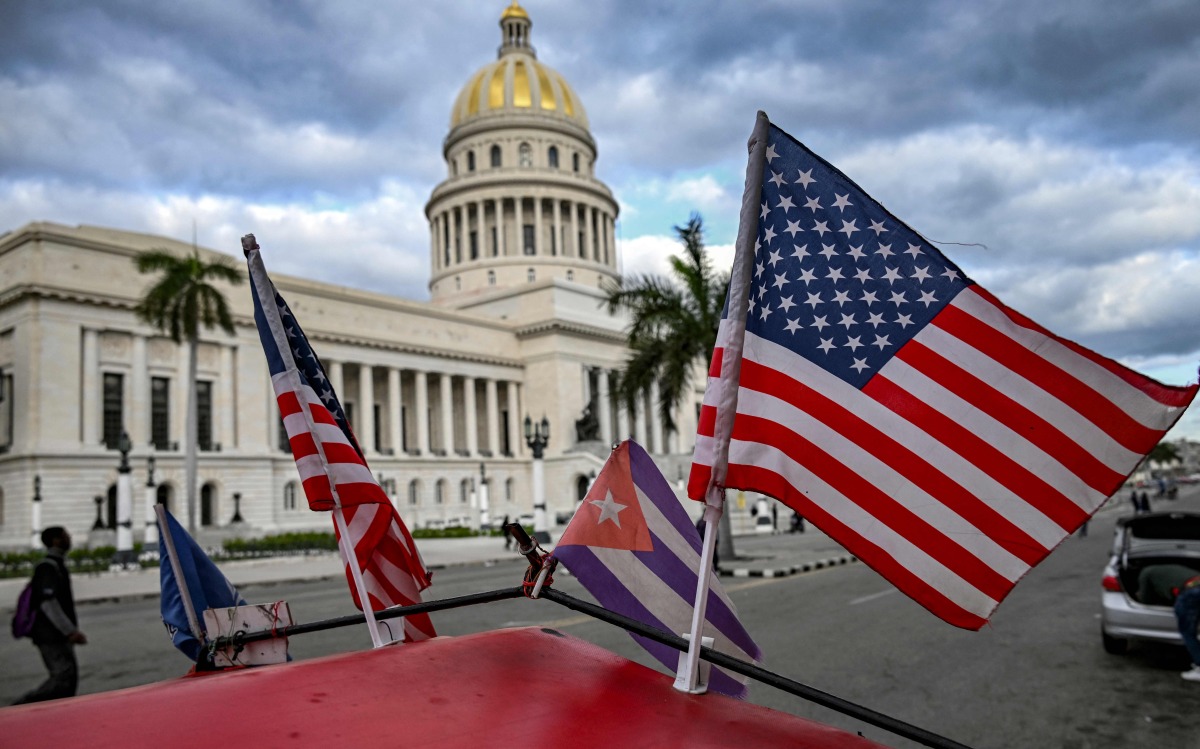
Critically, the signing of the oil reform law came on the same day that the US Treasury Department issued a general licence easing some sanctions that had crippled Venezuela’s oil trade for years. The licence authorizes limited transactions involving Venezuelan-origin crude, including exportation, refining,g and sale by established US entities, although restrictions remain on certain nations and financial mechanisms.
The dual moves reflect a coordinated economic and geopolitical reset after years of decline under socialist policies and extensive sanctions. Venezuela holds some of the world’s largest proven crude reserves, but production has plummeted due to underinvestment, mismanagement, and international isolation. Analysts say private sector involvement and access to global markets could help reverse that trend — though progress may be slow and contingent on stability and transparency.
The reforms have drawn mixed reactions. Supporters in Caracas argue the changes are necessary to jump-start the energy sector, create jobs, bs and relieve fiscal pressure. Critics, however, caution that legal uncertainty, political risk,isk and governance issues could deter long-term investment.
For the United States, easing sanctions aligns with broader efforts to secure reliable energy supplies and re-integrate Venezuela into global oil markets, while also exerting economic leverage over Caracas. How quickly these reforms translate into increased output and foreign capital remains a focal point for investors and policymakers alike.
For more such articles, please follow us on LinkedIn and Instagram.