UN Sounds Alarm as Global Conflicts Push Humanitarian Systems to the Brink
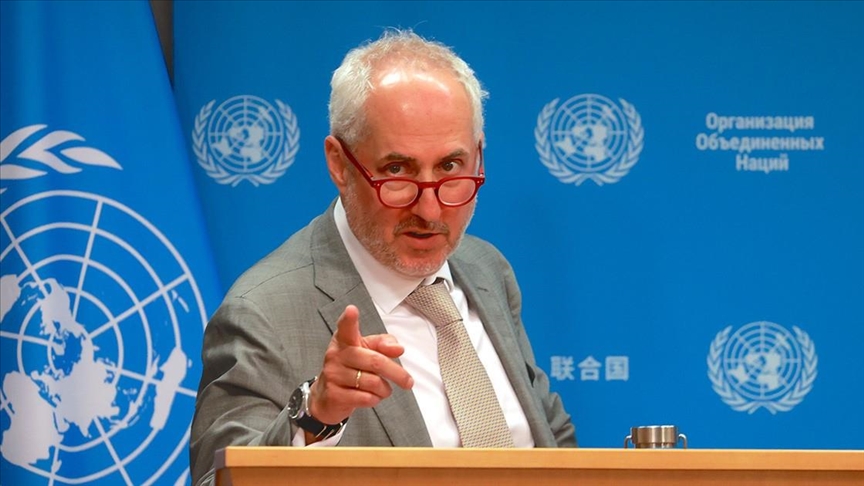
The United Nations has issued a stark warning that the world’s humanitarian system is under severe strain as armed conflicts intensify across multiple regions, leaving millions of civilians exposed to hunger, displacement, and violence.
UN officials said escalating wars, prolonged instability, and political deadlock are driving humanitarian needs to record levels, while funding shortages and access restrictions are limiting the ability of aid agencies to respond. From Gaza and Ukraine to Sudan, Myanmar, and parts of the Sahel, civilians are increasingly caught in the crossfire of conflicts that show little sign of resolution.
According to the UN Office for the Coordination of Humanitarian Affairs (OCHA), over 300 million people worldwide now require humanitarian assistance, a figure that has surged dramatically in recent years. Displacement continues to rise as families flee fighting, while food insecurity has worsened due to disrupted supply chains, destroyed farmland, and soaring prices.
“Humanitarian needs are growing faster than our ability to meet them,” UN officials warned, noting that aid workers are facing growing security risks and operational challenges. In several conflict zones, access to civilians has been blocked by fighting, bureaucratic obstacles, or deliberate restrictions imposed by warring parties.
The UN also highlighted the compounding impact of climate shocks, which are intensifying conflicts and worsening humanitarian crises. Droughts, floods, and extreme weather events have devastated livelihoods in already fragile regions, pushing vulnerable communities closer to collapse.
Funding remains another major concern. Despite urgent appeals, humanitarian response plans are consistently underfunded, forcing aid agencies to scale back life-saving programs such as food distribution, medical care, and shelter support. The UN warned that without increased international support, millions could be left without essential assistance.
As global attention remains divided by geopolitical rivalries and domestic pressures, the UN urged governments to prioritize diplomacy, protect civilians, and fully fund humanitarian operations. “This is not just a humanitarian failure,” officials said. “It is a collective failure to prevent suffering on a massive scale.”
For more such articles, please follow us on LinkedIn and Instagram.