Music Industry Grapples With Growing Challenges From AI-Generated Content
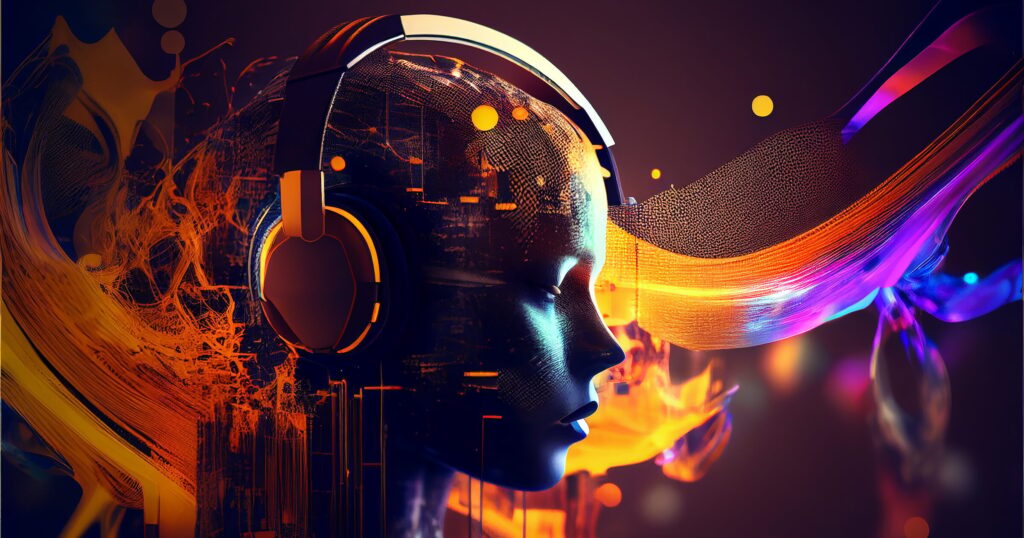
The global music industry is facing mounting disruption as AI-generated music floods streaming platforms, reigniting debates over copyright, artist compensation, and how artificial intelligence models are trained. What began as an experimental tool has rapidly evolved into a mainstream force, leaving record labels, artists, and regulators struggling to keep pace.
AI tools capable of producing songs that closely mimic the voices, styles, and melodies of real musicians have surged in popularity over the past year. While some creators see opportunity in the technology, others warn that it threatens the economic foundation of the music business.
At the center of the controversy is how AI systems are trained. Many models rely on vast datasets that include copyrighted songs, often without explicit permission from rights holders. Artists and labels argue this amounts to large-scale exploitation, while tech companies claim their practices fall under fair use or transformative learning.
“This is not innovation without consequence,” said a senior executive at a major record label. “When AI learns from millions of songs, the people who made those songs deserve transparency and compensation.”
Streaming platforms are also under pressure. Several services have reported a sharp increase in AI-generated tracks uploaded daily, raising concerns about royalty dilution and discovery challenges for human artists. In response, some platforms are testing labeling systems to identify AI-created content, while others are tightening submission rules.
Independent musicians are particularly vulnerable. Many fear being pushed further down algorithms already dominated by volume and virality. “If AI can release thousands of tracks a day, how do real artists compete?” said one producer based in London.
Governments and regulators are beginning to take notice. Lawmakers in the United States and Europe are exploring updates to copyright laws that would require clear consent, attribution, and revenue sharing when creative works are used to train AI systems. However, progress remains slow, and enforcement mechanisms are still unclear.
Despite the backlash, industry leaders acknowledge that AI is unlikely to disappear. Instead, the debate is shifting toward how the technology can coexist with human creativity without undermining it.
As the music industry navigates this pivotal moment, the outcome may redefine not only how music is made—but who gets paid for it.
I
For more such articles, please follow us on LinkedIn and Instagram.