Will the TikTok Deal Satisfy U.S. Security Concerns?
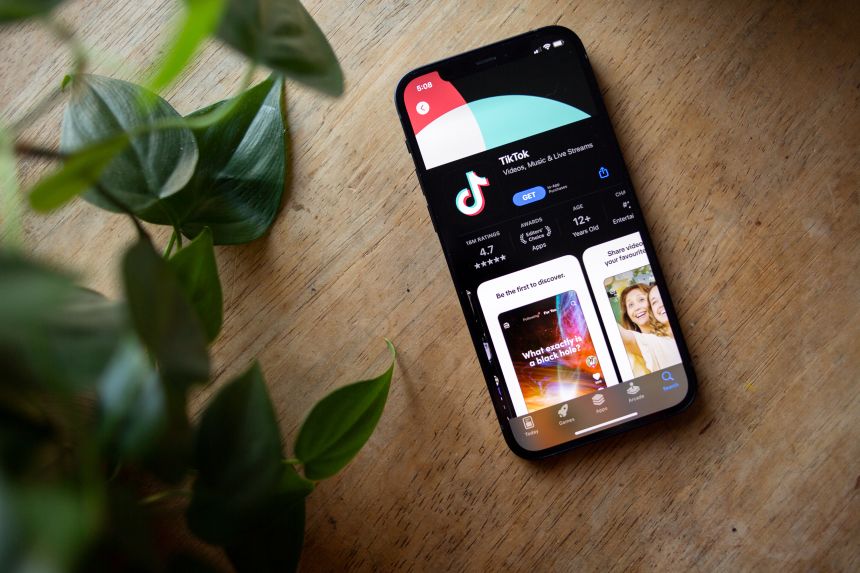
The long-running legal and political battle over TikTok’s future in the United States appears to be moving toward a compromise — but major questions remain about whether the new agreement fully addresses national security concerns.
In late January 2026, TikTok and its parent company ByteDance finalized a deal to spin off U.S. operations into a new majority-American entity called TikTok USDS Joint Venture LLC, allowing the platform to continue operating for more than 200 million U.S. users.
Under this structure, non-Chinese investors — including Oracle, Silver Lake, and MGX — hold over 80 % of the new venture, while ByteDance retains a 19.9 % minority stake. Data on American users will be stored on U.S. servers and protected with cybersecurity measures, and the company says it will implement stronger content moderation and transparency reporting.
Supporters of the deal argue it significantly reduces the risk of China accessing U.S. user data or influencing TikTok’s algorithms — central concerns that led Congress to pass a law targeting foreign-controlled social media apps.
However, critics caution that the arrangement may not fully meet the legal or security standards Congress intended. Because ByteDance still holds a minority stake and retains licensing rights over core technology, some lawmakers and cybersecurity experts say the deal falls short of a complete divestiture and could leave loopholes for foreign access or influence.
These lingering doubts mean the deal may satisfy some regulatory requirements and prevent an outright ban for now, but it does not entirely dispel U.S. national security concerns. Several legislators and analysts have signaled that ongoing oversight and potential legal scrutiny will continue as the new entity begins operations.
In short, the agreement represents a major step toward resolving years of uncertainty, but significant questions remain over whether it truly protects U.S. interests or merely reduces the symptoms of a deeper policy challenge around cross-border data and influence.
For more such articles, please follow us on LinkedIn and Instagram.