The Cold, Hungry Reality of Displacement in War-Torn Sudan’s Tawila
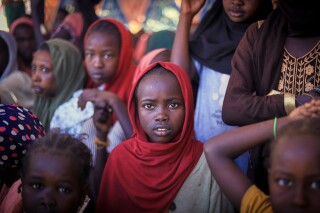
TAWILA, SUDAN — As Sudan’s civil war grinds on, the remote town of Tawila in North Darfur has become a stark symbol of the humanitarian catastrophe unfolding across the country. Thousands of families displaced by months of fighting have fled to the area, seeking safety but finding a daily struggle against hunger, cold, and disease.
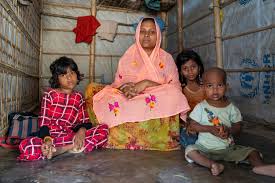
Aid workers say Tawila has absorbed waves of civilians escaping violence in El Fasher and surrounding villages, overwhelming the town’s limited resources. Makeshift shelters of plastic sheets, torn fabric, and mud now stretch across open land, offering little protection from dropping nighttime temperatures. Children sleep on bare ground, while parents burn scraps of wood and plastic to keep warm.
Food shortages are severe. With supply routes disrupted by fighting and insecurity, displaced families rely heavily on irregular aid deliveries or what little they can afford in local markets, where prices have soared. “Some people eat once a day, if at all,” said a local volunteer working with a community kitchen. Malnutrition rates, particularly among children and pregnant women, are rising sharply, medical workers warn.
Access to clean water and healthcare is also limited. Clinics in Tawila are understaffed and lack essential medicines, while cases of respiratory infections, diarrhoeal diseases, and malaria are increasing. Humanitarian agencies say the combination of cold weather, malnutrition, and overcrowding is creating a dangerous environment for the most vulnerable.
The conflict between Sudan’s army and the Rapid Support Forces (RSF), which erupted in April 2023, has displaced more than seven million people nationwide, according to the United Nations, making Sudan one of the world’s largest displacement crises. North Darfur has been among the hardest hit, with repeated attacks on civilians forcing communities to flee multiple times.
Despite the scale of the crisis, aid groups say funding shortfalls and access constraints are hampering relief efforts. Insecurity along key routes has delayed food and medical supplies, while international attention remains focused elsewhere.
For families sheltering in Tawila, survival has become a test of endurance. “We escaped the bullets,” said one displaced mother of four. “Now we are fighting hunger and the cold every day.”