Russian court labels punk band Pussy Riot an ‘extremist’ group
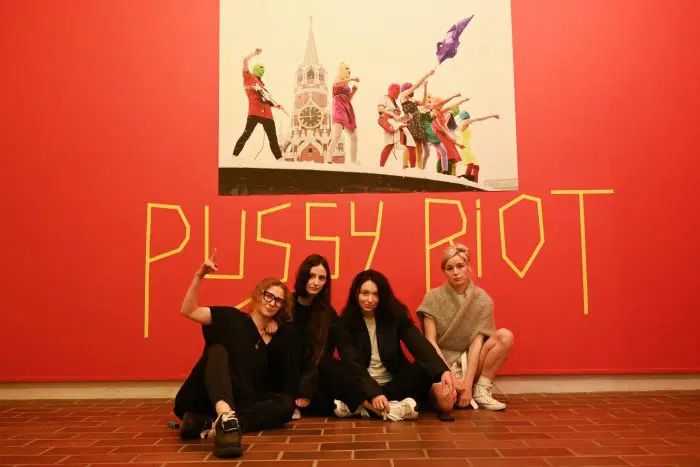
A Russian court on Monday officially designated the anti-Kremlin punk band Pussy Riot as an “extremist organisation,” a move that bans the group’s activities in Russia and escalates charges against one of the country’s most prominent symbols of dissent.
The decision by the Tverskoy District Court in Moscow, made at the request of the General Prosecutor’s Office, effectively outlaws the feminist collective’s work and exposes supporters and associates to potential criminal prosecution. Authorities have placed the band alongside other banned organisations under Russia’s stringent anti-extremism laws.
Pussy Riot, known internationally for its bold protests against President Vladimir Putin and opposition to Russia’s war in Ukraine, has spent years drawing the Kremlin’s ire. The group first rose to global attention in 2012 after staging a protest performance inside Moscow’s Cathedral of Christ the Saviour, which led to jail terms for several members on charges of “hooliganism.
In September, a separate ruling handed in absentia long prison sentences to five members for allegedly spreading “false information” about the Russian army. Sentences ranged up to 13 years, a decision the artists rejected as politically motivated and aimed at silencing dissent.
Nadya Tolokonnikova, a founder of Pussy Riot now living abroad, responded defiantly after Monday’s ruling, saying on social media that “if telling the truth is extremism, then we are happy to be extremists.” Her remarks reflect the group’s longstanding position that their activism and artistic expression should not be criminalised.
The extremist designation also empowers Russian authorities to pursue legal action against anyone linked to the group’s performances or messaging. Critics warn this could chill free expression further and extend punishment beyond the band to journalists, artists, and supporters.
International human rights advocates have condemned the ruling as part of a broader crackdown on peaceful protest and dissenting voices in Russia. The case is now likely to draw renewed scrutiny from rights organisations and foreign governments concerned about freedom of speech and artistic liberty.
For more such articles, please follow us on LinkedIn, Instagram