Security Strategies Evolve as Nations Respond to Emerging Global Threats
Countries worldwide are updating their security strategies as emerging global threats demand new approaches to defense, intelligence, and international cooperation. Governments are increasingly focused on cybersecurity, geopolitical tensions, and transnational risks that affect both national stability and economic growth.
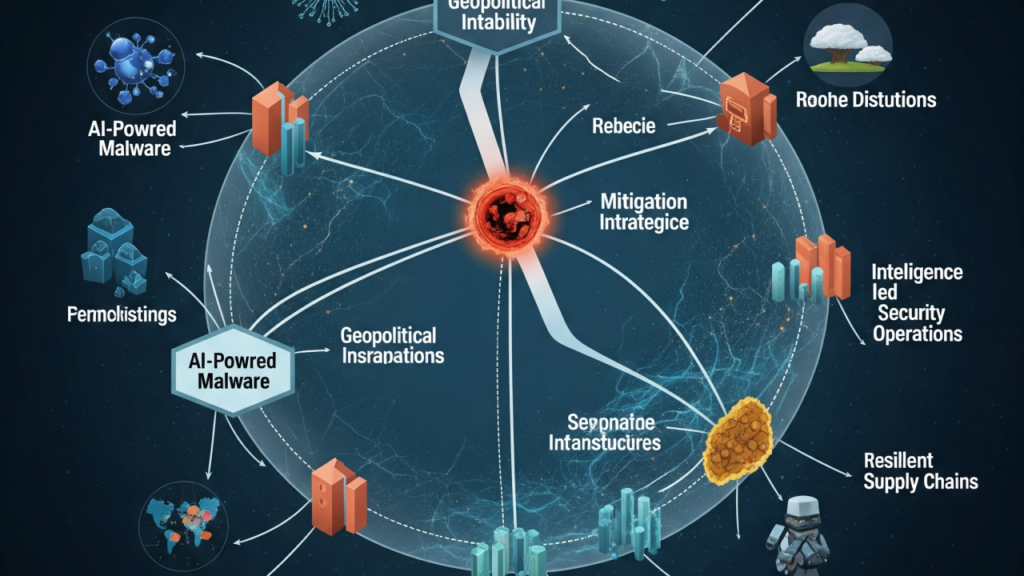
Recent developments highlight how nations are balancing traditional military preparedness with advanced technological solutions. Cyberattacks, critical infrastructure vulnerabilities, and information warfare have become central concerns, prompting investments in both defensive and proactive capabilities. Intelligence agencies report that state and non-state actors are adopting more sophisticated tactics, requiring governments to adapt quickly.
“Security in the 21st century is multi-dimensional,” said a defense analyst at a leading think tank. “It’s no longer only about troops and weapons. Nations must combine cyber, intelligence, and diplomatic tools to manage complex threats effectively.”
Several countries are also strengthening regional alliances and international partnerships to share intelligence, coordinate counter-terrorism efforts, and respond collectively to crises. Joint military exercises, cybersecurity drills, and strategic dialogues are now integral to national security planning.
Economic and energy security are also influencing the strategy. Nations recognize that disruptions in trade, supply chains, or critical infrastructure can have cascading effects on domestic stability. As a result, governments are investing in resilient systems, emergency preparedness, and risk management frameworks.
Experts emphasize the role of public-private collaboration. Companies operating in critical sectors are being encouraged to enhance cybersecurity, secure supply chains, and participate in national resilience planning. Technology solutions, such as AI-driven threat detection, are playing a growing role in identifying risks before they escalate.
While challenges remain, analysts note that the evolving security landscape also offers opportunities. Nations that successfully integrate technology, intelligence, and diplomacy are better positioned to anticipate threats, protect citizens, and maintain economic stability in an increasingly interconnected world.
As global threats continue to evolve, governments must remain agile and forward-looking. The future of national and international security will depend on the ability to adapt strategies to emerging risks while fostering cooperation at both regional and global levels.
For more such articles, please follow us on LinkedIn and Instagram.