Global Health Agencies Urge Preparedness as New Risks Emerge Worldwide
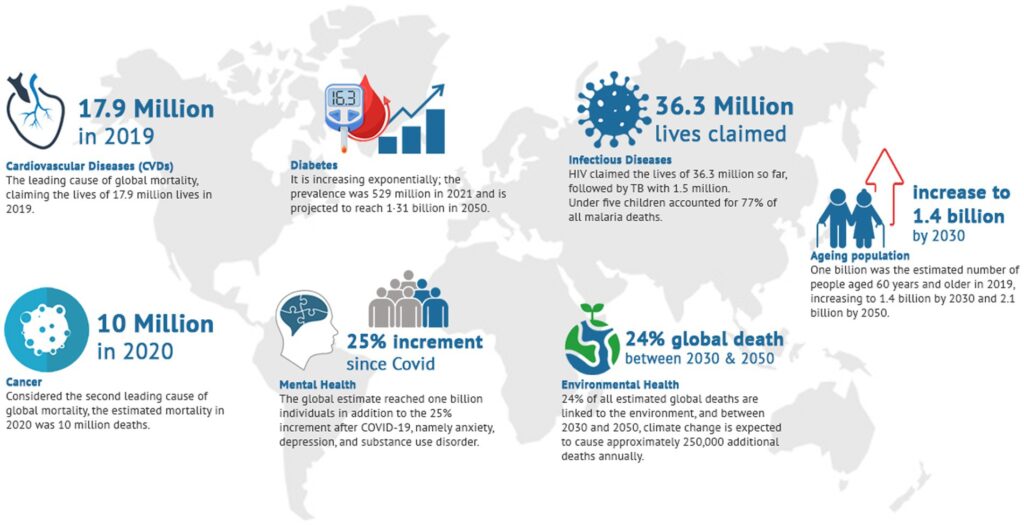
Global health agencies have issued urgent warnings as new health risks and emerging diseases continue to challenge countries worldwide. Officials stress that preparedness and early response are critical to preventing potential outbreaks from escalating into global crises.
The World Health Organization (WHO) and regional health authorities highlighted recent spikes in infectious diseases, including resurgent influenza strains, novel viral infections, and drug-resistant pathogens. While none have yet reached pandemic levels, experts warn that delays in action could increase the risk of rapid spread.
“Preparedness is not optional,” said a senior WHO official. “Countries must strengthen surveillance systems, ensure rapid access to vaccines and treatments, and improve public health infrastructure to respond effectively to any emerging threats.”
Several nations have already activated emergency task forces, ramped up laboratory testing, and distributed guidelines for hospitals and clinics to detect early signs of outbreaks. Public health campaigns are emphasizing vaccination, hygiene, and timely reporting of symptoms.
Experts also note that climate change, urbanization, and global travel are creating conditions that make the emergence and rapid spread of infectious diseases more likely. Regions previously considered low-risk are increasingly vulnerable, prompting international cooperation on information sharing, research, and resource allocation.
In addition to immediate preparedness, agencies are urging governments to invest in long-term health resilience. This includes strengthening healthcare workforce capacity, expanding emergency medical supply chains, and fostering community engagement in health initiatives.
While the warnings highlight challenges, officials also stress that coordinated global action can prevent crises. Countries that adopt proactive measures, invest in research, and maintain strong communication networks are more likely to contain outbreaks effectively and protect populations.
As new health risks continue to emerge worldwide, global leaders and health agencies emphasize that vigilance, investment, and international collaboration remain essential. Preparedness today could prevent widespread impact tomorrow.
For more such articles, please follow us on LinkedIn and Instagram.