Gustavo Petro: Colombia’s Former Rebel Fighter Turned President
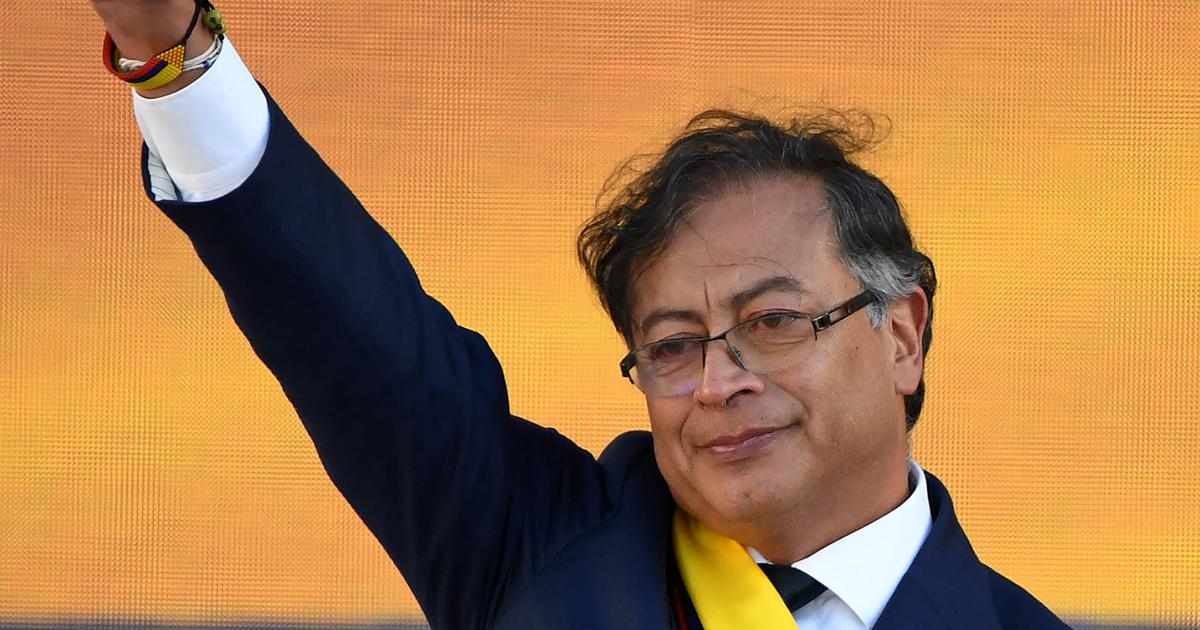
Gustavo Petro’s journey to Colombia’s presidency marks one of the most striking political transformations in Latin America’s modern history. Once a member of a left-wing rebel movement, Petro is now the country’s first openly leftist president, reshaping Colombia’s political landscape after decades of conservative rule.
Born in 1960 in the Caribbean city of Ciénaga de Oro, Petro joined the M-19 guerrilla movement as a young man, drawn by its promise of social justice and political reform. The group, which sought to challenge Colombia’s entrenched inequality, later laid down its arms and entered mainstream politics following a peace agreement in 1990. Petro’s transition from insurgency to institutional politics would define his public career.
After demobilization, Petro pursued a career in formal politics, serving as a congressman and later as mayor of Bogotá. His tenure as mayor was marked by ambitious social and environmental policies, including efforts to expand public services and reduce inequality. While supporters praised his reformist vision, critics accused him of administrative missteps and economic mismanagement, underscoring the polarizing nature of his leadership.
Petro won the presidency in 2022 on a platform promising big structural change. His agenda has focused on reducing inequality, expanding social spending, transitioning away from fossil fuels, and pursuing “total peace” through negotiations with armed groups. The approach represents a sharp break from Colombia’s traditionally hardline security policies.
Internationally, Petro has repositioned Colombia’s foreign policy, restoring diplomatic ties with Venezuela and emphasizing climate action on the global stage. He has called for wealthier nations to take greater responsibility for addressing climate change, linking environmental protection to social justice and economic reform.
However, Petro’s presidency has not been without challenges. His reforms have faced resistance in Congress, while economic uncertainty and investor concerns have complicated efforts to deliver rapid change. Public opinion remains divided, with supporters viewing him as a long-overdue reformer and critics warning of fiscal risks and institutional strain.
As Colombia navigates this new political era, Gustavo Petro remains a symbol of transformation — a leader whose personal evolution mirrors the country’s broader struggle to move from conflict toward democratic reform.
For more such articles, please follow us on LinkedIn and Instagram.