International Order Under Quiet Strain as Risks Spread Across Regions

The international order is coming under growing but largely understated strain as risks spread across multiple regions, driven by conflicts, economic pressure, climate shocks, and evolving security threats, analysts and officials warn.
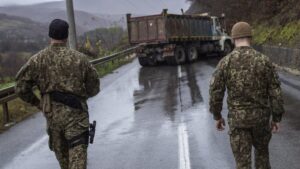
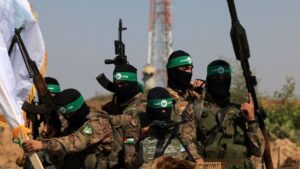
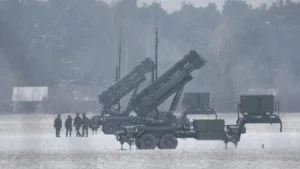
While no single crisis has triggered a global emergency, policymakers say the accumulation of unresolved challenges is steadily weakening international cooperation and trust. From prolonged conflicts in Eastern Europe and the Middle East to rising political instability in parts of Africa and Asia, global systems are being tested in ways that are often gradual rather than sudden.
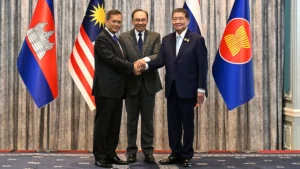
Diplomats note that traditional mechanisms for managing crises are struggling to keep pace. Deep divisions among major powers have slowed decision-making at multilateral institutions, while regional disputes are increasingly shaped by competition over resources, influence, and security alliances. As a result, coordinated responses have become harder to achieve.
Economic uncertainty is adding to the pressure. High debt levels, uneven growth, and lingering inflation are straining government finances, particularly in developing economies. Financial markets have remained sensitive to geopolitical developments, with energy prices and trade disruptions feeding concerns about long-term stability.
Humanitarian agencies say the impact is being felt most sharply by civilians. Displacement levels remain high as conflicts persist and climate-related disasters increase in frequency. Funding shortages and access restrictions have limited aid operations, raising fears that humanitarian needs could outstrip available resources in the months ahead.
Security risks are also evolving beyond conventional battlefields. Cyber threats targeting public institutions, infrastructure, and financial systems have increased, highlighting vulnerabilities that transcend national borders. Analysts say such threats complicate deterrence efforts and blur the line between peace and conflict.
Climate change continues to act as a silent accelerant. Extreme weather events, food insecurity, and water stress are intensifying existing tensions, particularly in fragile states. Experts warn that without stronger investment in resilience and adaptation, these pressures could further destabilise already vulnerable regions.
Despite these challenges, global leaders have avoided dramatic rhetoric, instead focusing on crisis management and short-term stabilisation. Observers caution, however, that the absence of visible collapse should not be mistaken for resilience.
As risks quietly spread across regions, the coming period may prove decisive in determining whether the international order can adapt to mounting pressures or continue to erode under the weight of overlapping global challenges.
For more such articles, please follow us on LinkedIn and Instagram.