Hong Kong begins national security trial for organisers of Tiananmen vigils
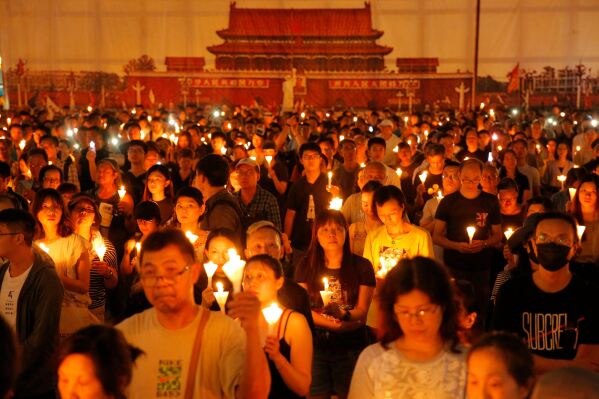
Hong Kong on Tuesday began a closely watched national security trial against several organisers of the city’s once-annual Tiananmen Square vigil, marking another significant moment in the government’s sweeping crackdown on political dissent following the introduction of the national security law.
The defendants include prominent members of the Hong Kong Alliance in Support of Patriotic Democratic Movements of China, the group that organised candlelight vigils for decades to commemorate the 1989 Tiananmen Square crackdown in Beijing. Authorities accuse the organisers of subversion under the Beijing-imposed national security law, a charge that carries the possibility of lengthy prison sentences.
The trial, taking place at the West Kowloon Law Courts, has drawn intense local and international attention. It is seen as a major test of judicial independence and civil liberties in the financial hub, once known for its broad freedoms under the “one country, two systems” framework.
Prosecutors allege that the organisers used the Tiananmen vigils and related activities to incite hatred against the Chinese and Hong Kong governments and to promote subversive agendas. Defence lawyers argue that the vigils were peaceful acts of remembrance and expression, protected under freedoms that were previously guaranteed in the city.
The annual June 4 vigil in Victoria Park, which for years attracted tens of thousands of people, was banned in 2020 and 2021, with authorities citing public health concerns during the COVID-19 pandemic. The Hong Kong Alliance later disbanded after police investigations and asset freezes, while several of its leaders were arrested or charged.
Since the national security law was enacted in mid-2020, Hong Kong has seen a sharp decline in public protests, the closure of civil society groups, and the jailing or exile of opposition figures. The government insists the law is necessary to restore stability after the 2019 pro-democracy unrest and says it targets only a small minority who threaten national security.
Foreign governments and human rights groups have repeatedly criticised the law, warning that it undermines freedom of speech and assembly. Beijing and Hong Kong officials reject those claims, saying judicial proceedings are fair and in line with international standards.
As the trial begins, observers say the outcome could further shape the future of political expression in Hong Kong, especially as the city continues to balance security priorities with its global image as an open international hub.
For more such articles, please follow us on LinkedIn and Instagram.