As diplomatic efforts intensify around Gaza’s future, a growing number of analysts argue the territory is moving toward a model resembling a semi-protectorate, echoing the post-war governance structure imposed on Bosnia and Herzegovina in the 1990s. While no formal framework has been announced, recent political and security discussions point in that direction.
In Bosnia, the Dayton Accords ended active fighting but left behind a complex international oversight system, including foreign administrators, security guarantees, and conditional sovereignty. Critics say Gaza could face a similar fate: limited self-rule under heavy external supervision, shaped largely by international and regional powers rather than local political consensus.
Since Israel’s military campaign in Gaza and the collapse of effective governance structures, international actors have debated who would administer the territory once large-scale fighting subsides. Proposals floated by Western and regional officials include a reformed Palestinian Authority role, an interim international security presence, or a hybrid governance model involving Arab states and international institutions.
Supporters of such arrangements argue they are necessary to prevent Gaza from descending into prolonged chaos, rebuild shattered infrastructure, and manage humanitarian aid flows. They point to Bosnia as an example where international oversight helped prevent a return to full-scale war, even if political progress remained slow.
Critics, however, warn that semi-protectorate models often entrench dependency and freeze political disputes rather than resolve them. In Bosnia, decades of international supervision have produced stability but also chronic political paralysis. Applying a similar framework to Gaza, they argue, risks sidelining Palestinian self-determination while leaving core issues — borders, sovereignty, and security — unresolved.
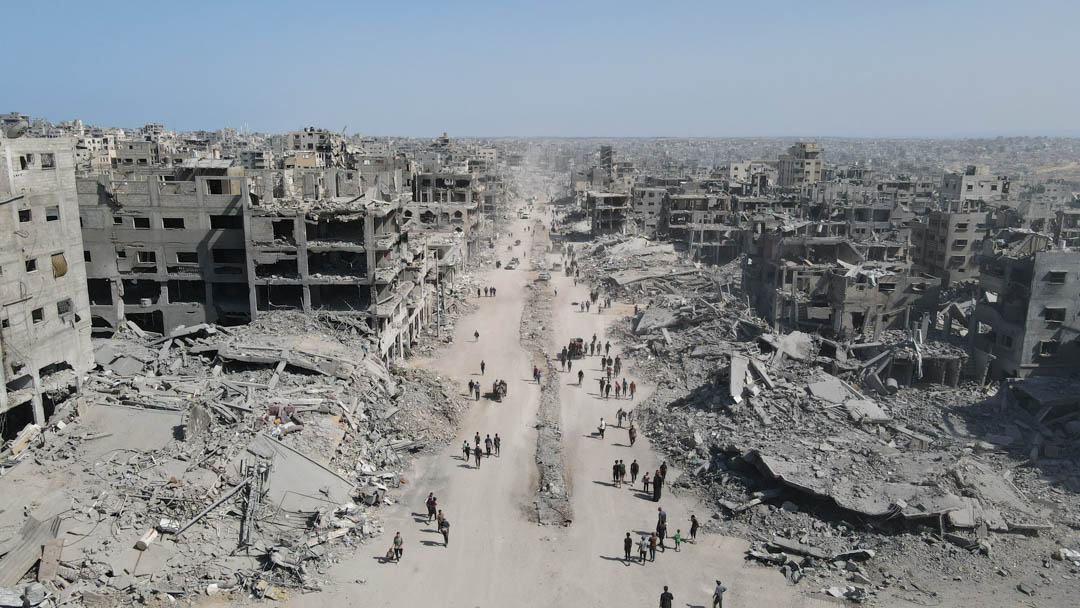
On the ground in Gaza, humanitarian conditions continue to deteriorate. Aid agencies report severe shortages of food, medicine, and shelter, intensifying pressure on foreign governments to intervene more directly. This urgency, analysts say, is accelerating discussions about international management, even as questions remain about legitimacy and long-term viability.
No official blueprint for Gaza’s post-war governance has been finalized. Yet the direction of debate suggests that full sovereignty in the near term may be unlikely. Instead, Gaza could enter a prolonged transitional phase — one shaped by external oversight, security arrangements, and conditional political authority.
Whether this approach brings stability or merely postpones deeper political solutions remains one of the most consequential questions facing the region.
For more such articles, please follow us on LinkedIn and Instagram.