Fresh Violence Erupts in Middle East as Ceasefire Hopes Fade
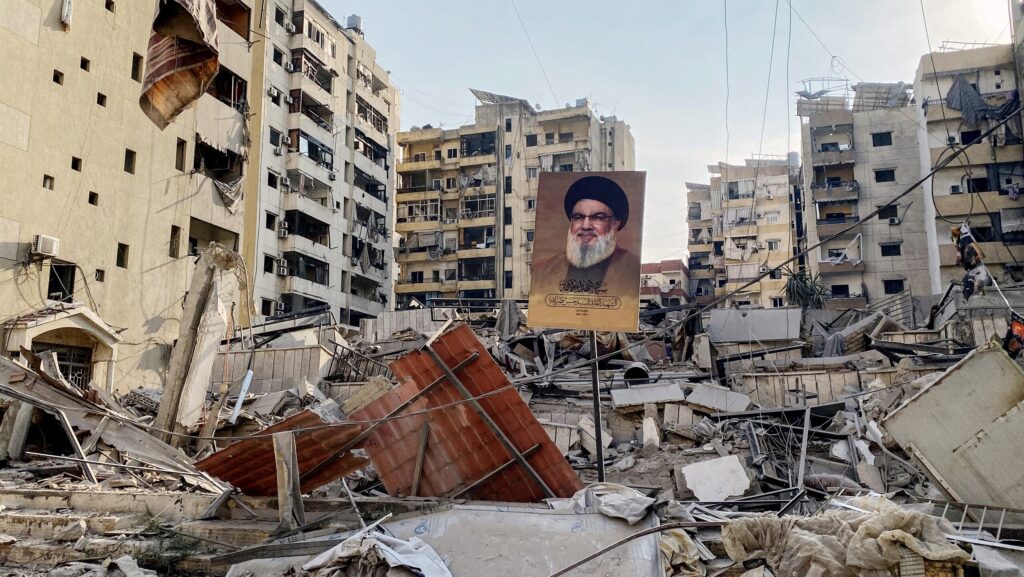
Fresh violence erupted across parts of the Middle East on Thursday, further dimming hopes for a ceasefire as diplomatic efforts struggled to gain traction amid escalating military operations and rising civilian casualties.
Intense fighting was reported in several flashpoint areas, with airstrikes, rocket fire, and ground clashes renewing fears of a wider regional escalation. Local authorities said residential areas were among the hardest hit, forcing families to flee their homes and adding pressure to already overwhelmed humanitarian services.
Ceasefire negotiations, backed by international mediators, appeared increasingly fragile as both sides accused each other of violating previous understandings. Despite repeated calls from the United Nations and global powers for restraint, the violence showed little sign of slowing, raising concerns over the prospects for a negotiated pause in fighting.
Hospitals across affected areas reported an influx of wounded civilians, while aid agencies warned that shortages of fuel, food, and medical supplies were worsening. Access for humanitarian workers remains limited in several locations due to ongoing hostilities and security risks.
Regional analysts said the latest escalation reflects deeper political deadlock and unresolved security concerns that continue to undermine ceasefire efforts. “The window for diplomacy is narrowing,” one regional expert noted, warning that prolonged fighting could entrench positions on both sides and make de-escalation more difficult.
International reaction was swift, with world leaders urging an immediate halt to hostilities and renewed engagement in peace talks. The UN reiterated calls for the protection of civilians and respect for international humanitarian law, stressing that continued violence risks triggering a broader humanitarian catastrophe.
Markets and global policymakers are also watching developments closely, as instability in the Middle East has implications for energy supplies, trade routes, and regional security. Oil prices showed signs of volatility amid fears that the conflict could disrupt production or transport in key areas.
As diplomatic channels remain strained, civilians continue to bear the brunt of the conflict. With ceasefire hopes fading and violence intensifying, aid groups warn that without urgent political intervention, the humanitarian toll is likely to rise further in the days ahead.
For more such articles, please follow us on LinkedIn and Instagram.