Epstein Files Release Sparks Bipartisan Outrage Over Redactions and Legal Claims
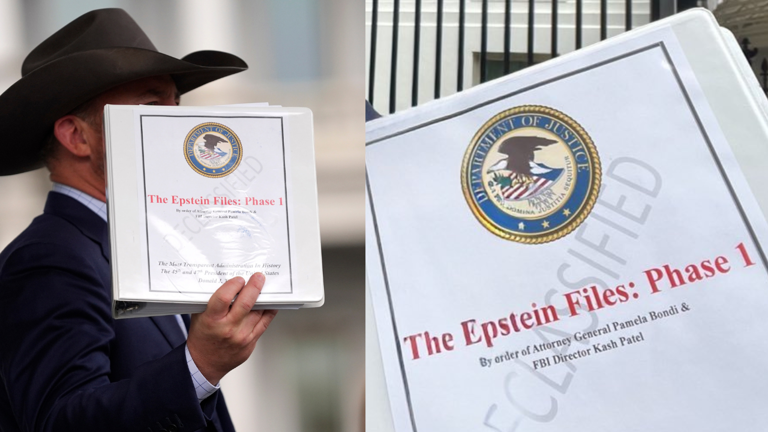
The release of long-awaited documents linked to convicted sex offender Jeffrey Epstein has triggered bipartisan outrage in the United States, with lawmakers and transparency advocates questioning heavy redactions and the limited scope of information made public.
The files, released by the Department of Justice following legal pressure and public scrutiny, were expected to shed new light on Epstein’s network and past investigations. Instead, critics say the documents offer few new details and raise fresh concerns about accountability, oversight, and the handling of high-profile criminal cases.
Lawmakers from both major parties said the extent of redactions has undermined public confidence. Several members of Congress called for greater transparency, arguing that the public has a right to understand how Epstein was investigated, prosecuted, and allowed to maintain influence for years despite serious allegations.
Justice Department officials have defended the redactions, citing privacy laws, ongoing legal considerations, and the need to protect victims and third parties. Officials stressed that the release followed existing legal standards and court guidance, and said additional disclosures could expose the government to legal challenges.
The controversy has renewed debate over the handling of Epstein’s case, which has long been viewed as a symbol of systemic failure within the criminal justice system. Epstein died in a New York jail in 2019 while awaiting trial on federal sex trafficking charges, an event that intensified public scrutiny and conspiracy theories.
Advocacy groups said the latest release risks deepening mistrust. Victims’ rights organisations stressed that transparency is essential not only for accountability, but also for restoring faith in institutions tasked with protecting vulnerable people.
Legal analysts note that document releases tied to sensitive criminal cases often involve complex balancing acts between transparency and legal constraints. However, they say the political reaction highlights the unusually high level of public interest and frustration surrounding the Epstein case.
Calls for further congressional hearings and independent review are growing, though it remains unclear whether additional disclosures will follow. Some lawmakers have urged the administration to clarify its legal position and outline what information could still be released.
As pressure mounts, the episode underscores broader questions about secrecy, accountability, and trust in public institutions. The debate over the Epstein files is likely to continue, with implications extending beyond the case itself to how the U.S. government handles transparency in high-profile investigations.
For more such articles, please follow us on LinkedIn and Instagram.