Developing Nations Struggle as Debt and Inflation Crises Worsen
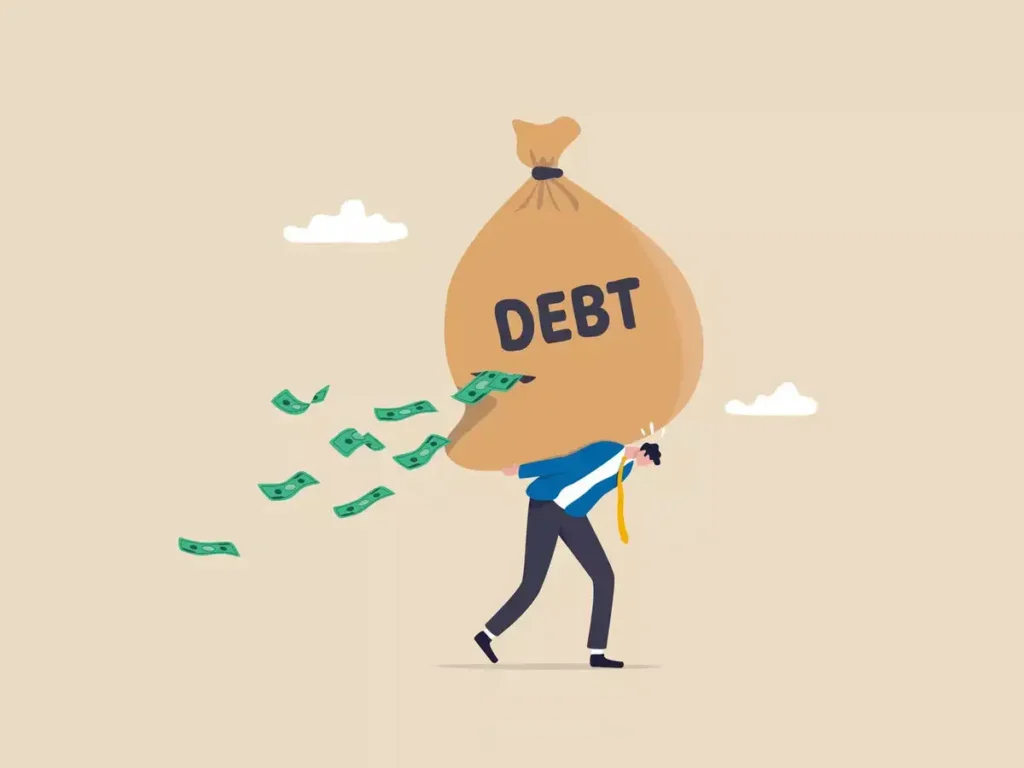
Developing nations are facing mounting economic pressure as rising debt levels and persistent inflation combine to strain public finances and household incomes, raising concerns about long-term stability and growth.
Across Africa, Asia, and Latin America, governments are grappling with the twin challenges of servicing heavy debt burdens while trying to contain soaring prices for food, fuel, and essential goods. Economists warn that the situation has been made worse by higher global interest rates, which have increased borrowing costs and limited access to fresh financing.
Inflation remains stubbornly high in many emerging economies, eroding purchasing power and pushing more people into poverty. Rising energy and food prices, coupled with weakened local currencies, have amplified the cost-of-living crisis for millions of households.
At the same time, public debt has reached record levels in several developing countries. According to international financial institutions, many governments are spending a growing share of their revenues on debt repayments, leaving fewer resources for healthcare, education, and infrastructure investment.
Efforts to stabilise economies have proven challenging. Central banks in developing nations have raised interest rates to combat inflation, but tighter monetary policy risks slowing economic growth and increasing unemployment. Fiscal support measures, meanwhile, are constrained by limited budgets and pressure from lenders to rein in spending.
The situation has also heightened social and political tensions. Protests over rising prices and austerity measures have erupted in several countries, with citizens demanding government action to protect living standards. Analysts warn that prolonged economic stress could undermine political stability in vulnerable states.
International lenders and donor nations have called for coordinated action to address debt distress, including debt restructuring and increased concessional financing. However, progress has been slow, and many countries remain stuck in lengthy negotiations with creditors.
“Without meaningful relief, debt and inflation will continue to reinforce each other,” one development economist said, noting that economic recovery in developing nations is increasingly fragile.
As global economic uncertainty persists, developing countries face an uphill battle to stabilise their economies, protect vulnerable populations, and avoid a deeper financial crisis.
For more such articles, please follow us on LinkedIn and Instagram.