China’s Population Shrinkage Deepens, Raising Economic and Social Concerns
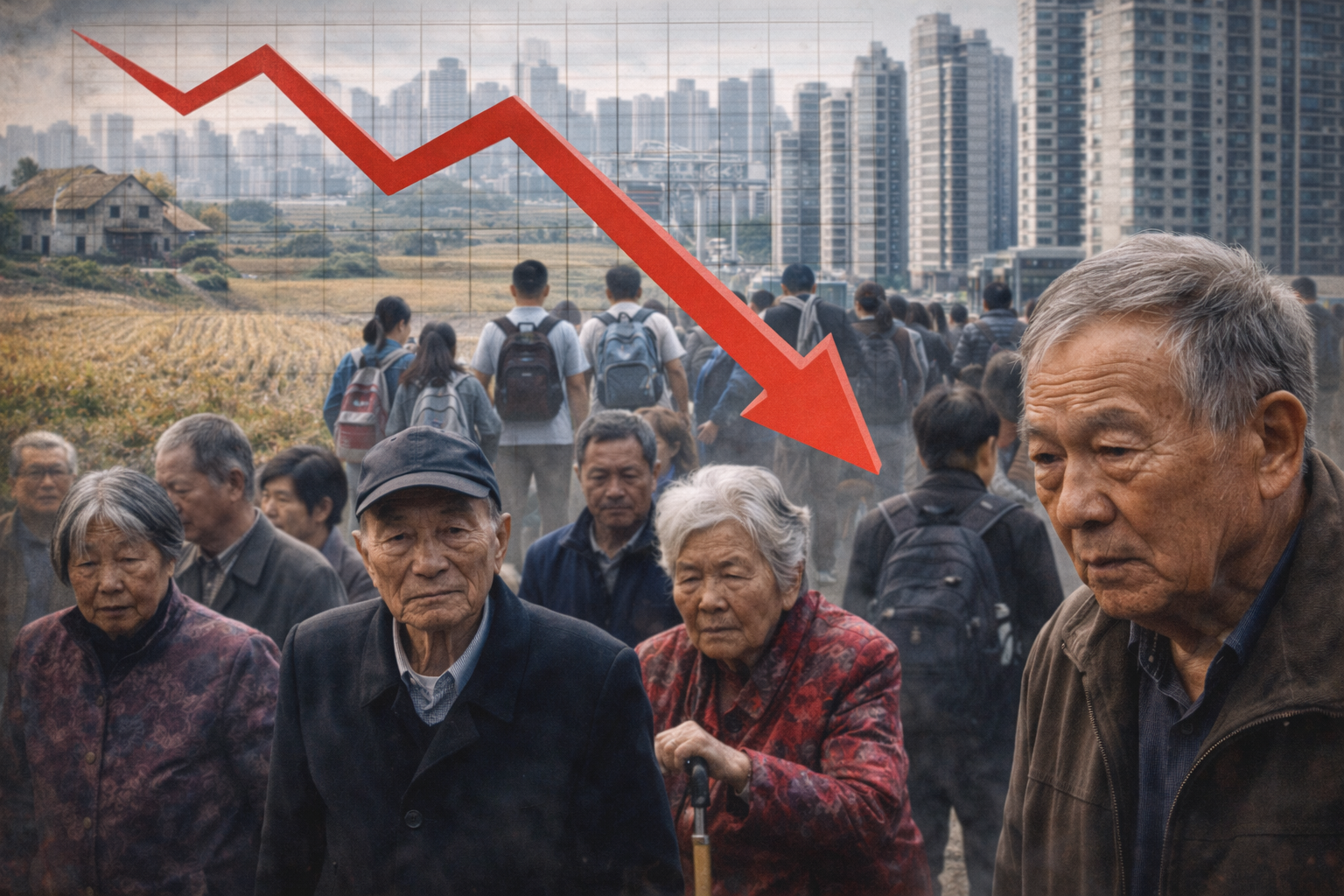
China is facing an accelerating population decline, according to the latest demographic data, sparking concern among policymakers and economists over the potential economic and social consequences. For the first time in decades, the nation’s population has contracted, highlighting the challenges of an aging society and declining birth rates.
The National Bureau of Statistics reported that China’s population fell by approximately 850,000 people over the past year, marking a continuation of a downward trend that experts warn could reshape the country’s labor market, healthcare system, and long-term economic growth. Urban areas are particularly affected, as younger populations migrate to cities for work, leaving rural communities increasingly sparsely populated.
Economists warn that a shrinking workforce could slow China’s economic growth, reduce productivity, and strain the country’s social welfare systems. The ratio of working-age citizens to retirees is expected to decline sharply in the coming decades, raising concerns over pensions, healthcare funding, and eldercare services.
“This demographic shift represents one of the most significant structural challenges facing China,” said a Beijing-based economist. “Without policy adjustments, the country risks labor shortages and slower innovation in key industries.”
The population decline has been driven by multiple factors, including decades of low fertility rates, changing family structures, urbanization, and rising living costs. Despite the government’s relaxation of birth policies in recent years, including the end of the one-child policy and introduction of incentives for larger families, the measures have had a limited impact.
Social experts also warn that the demographic trend could have broader societal implications, including shrinking domestic markets, changing consumer behavior, and increasing pressure on younger generations to support aging relatives.
The Chinese government has responded by exploring policy options to boost fertility, improve eldercare infrastructure, and incentivize population growth in underpopulated regions. Analysts, however, caution that reversing decades-long demographic trends will take years, if not decades.
International observers note that China’s population decline could also affect global markets. As the world’s second-largest economy and a major trade partner, shifts in China’s labor force and consumption patterns may influence global supply chains, investment flows, and trade dynamics.
As China grapples with this demographic turning point, experts say the country faces a delicate balancing act: sustaining economic growth while adapting to a smaller, aging population.
For more such articles, please follow us on LinkedIn and Instagram.