China and Philippines Resume High-Level Dialogue Over South China Sea Disputes
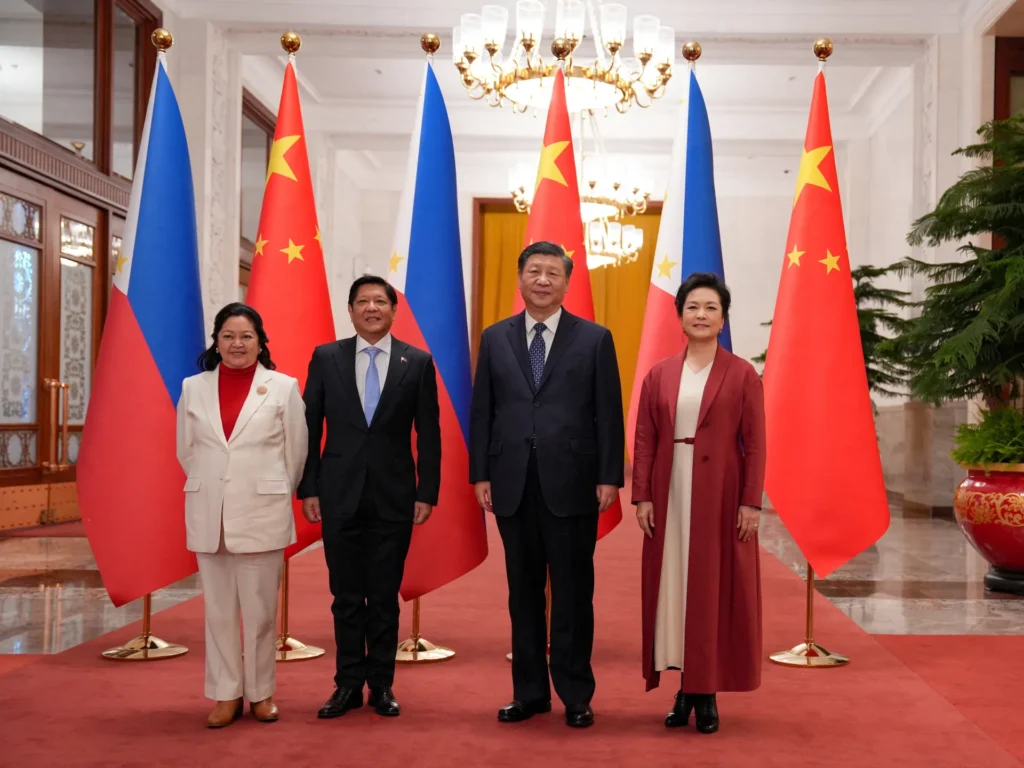
Manila, January 12, 2026 — China and the Philippines have resumed high-level diplomatic dialogue aimed at easing long-standing tensions over competing territorial claims in the South China Sea, officials from both governments confirmed on Monday.
The talks come after months of heightened maritime activity and rising concern among Southeast Asian neighbors over freedom of navigation, fishing rights, and access to valuable energy resources in the contested waters.
According to a joint statement released by the Philippine Department of Foreign Affairs, senior representatives from both nations met in Manila to discuss confidence-building measures, mechanisms to prevent maritime incidents, and frameworks for future cooperation. The meeting marked the first formal high-level engagement in nearly a year, signaling a potential thaw after a period of diplomatic strain.
“The resumption of dialogue underscores our shared interest in peace and stability in the South China Sea,” a senior Philippine envoy said. “We are committed to resolving disputes peacefully, in accordance with international law.”
China’s foreign ministry also expressed optimism about the talks, emphasizing mutual respect and cooperation. In a statement, Beijing reiterated its position that disputes should be managed through bilateral discussions rather than multilateral institutions — a stance it has consistently maintained amid regional diplomatic efforts.
The South China Sea, a strategically vital waterway through which trillions of dollars of global trade pass annually, has been a flashpoint of competing claims involving several countries in the Association of Southeast Asian Nations (ASEAN). The Philippines bases its claims in part on a 2016 international tribunal ruling, which China has rejected.
Analysts say the renewed dialogue could help stabilize the region if both parties commit to tangible confidence-building steps, such as joint patrols, coordinated fisheries management, or agreements to honor established maritime boundaries. However, experts caution that progress will likely be incremental and focused on practical cooperation rather than immediate legal resolutions.
Regional powers and external actors, including the United States, have welcomed the resumption of talks. U.S. officials reiterated support for peaceful dispute resolution and underscored the importance of upholding freedom of navigation in accordance with international law.
As the discussions continue, the world will be watching closely to see whether these diplomatic efforts translate into meaningful de-escalation in one of Asia’s most sensitive and strategically important regions.
For more such articles, please follow us on LinkedIn and Instagram.