Rising Energy Prices Add Pressure on Global Economies
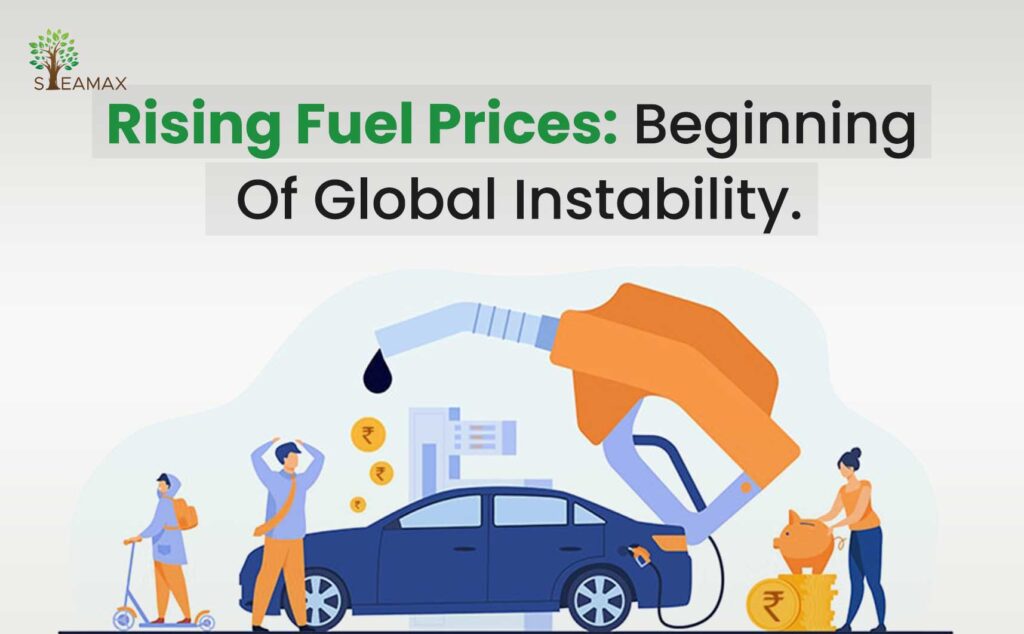
Rising energy prices are adding fresh strain to global economies, deepening concerns over inflation, growth, and financial stability at a time when many countries are still navigating an uneven recovery. From crude oil to natural gas and electricity, higher costs are rippling across industries, households, and government budgets worldwide.
In recent weeks, benchmark oil prices have climbed steadily, driven by a mix of geopolitical tensions, supply constraints, and stronger-than-expected demand in key markets. Natural gas prices have also remained volatile, particularly in regions dependent on imports, increasing pressure on power producers and manufacturers alike.
Economists warn that sustained energy inflation could complicate the policy choices of central banks already walking a tightrope between controlling prices and supporting growth. “Energy costs feed into almost every sector — transport, food production, and manufacturing,” said a senior global economist. “When prices rise sharply, the impact is felt far beyond the fuel pump.”
In Europe, higher heating and electricity bills are squeezing household budgets, prompting renewed calls for government relief measures. Several countries are exploring targeted subsidies and tax cuts to shield vulnerable consumers from the worst effects of rising costs. In Asia, energy-importing nations are facing widening trade deficits as fuel bills climb, putting additional pressure on local currencies.
Emerging markets are particularly exposed, analysts say, as many rely heavily on imported energy while having limited fiscal space to cushion the blow. Higher fuel prices are also pushing up transportation and food costs, intensifying inflationary pressures that directly affect everyday consumers.
Financial markets have reacted cautiously to the trend, with investors reassessing growth forecasts for the coming quarters. Energy stocks have benefited from higher prices, but broader equity markets remain sensitive to the risk that elevated costs could slow business activity and consumer spending.
Looking ahead, experts believe the outlook for energy prices will depend largely on geopolitical developments, supply decisions by major producers, and the pace of global economic growth. Any prolonged disruption to supply chains or escalation of international tensions could keep prices elevated for longer.
For now, governments and businesses are bracing for a challenging period. As energy costs continue to rise, the pressure on global economies is expected to intensify, making energy security and price stability central issues in the months ahead.
For more such articles, please follow us on LinkedIn and Instagram.