What is Bangladesh’s Jamaat-e-Islami party? Could it lead the country next?
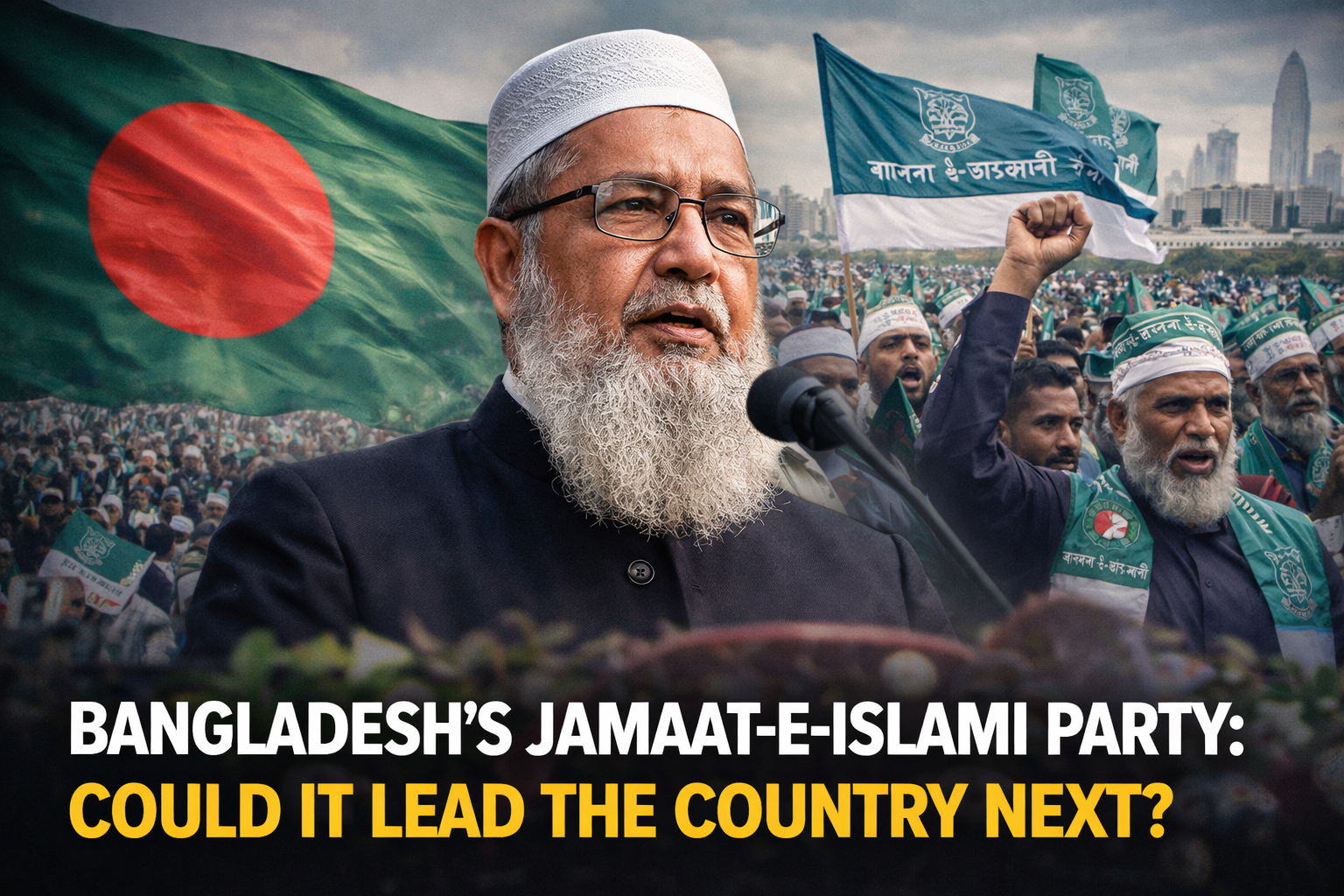
Jamaat-e-Islami (JI) is one of Bangladesh’s oldest and most controversial political parties. It was founded in 1941, before the country’s independence,e and is rooted in Islamist political ideology, advocating for policies that reflect Islamic principles and social values. Historically, Jamaat opposed Bangladesh’s 1971 independence from Pakistan—an action that has left a long-lasting stigma and deep resentment among many Bangladeshis, especially freedom-movement supporters.
Under the long rule of Prime Minister Sheikh Hasina, Jamaat was banned from elections between 2013 and 2025 after many of its leaders were convicted and executed for crimes related to the 1971 war. The party’s registration was restored by the Supreme Court, allowing it once again to contest national elections.
In recent years, Jamaat has tried to soften its image and broadeits n appeal by emphasizing anti-corruption platforms, welfare policies, and even nominating non-Muslim candidates, a significant shift from its earlier hardline reputation.
Could Jamaat-e-Islami Lead Bangladesh Next?
The answer is: possibly influential, but uncertain to win outright government power on its own.
1. Strong Comeback After Ban Lifted
After the ban was lifted, Jamaat re-entered mainstream politics and formed a broad electoral alliance with parties like the National Citizen Party (NCP), which emerged from a 2024 student-led uprising. Opinion polls ahead of the February 12, 2026, general election show Jamaat polling close to the rival Bangladesh Nationalist Party (BNP), suggesting a significant resurgence.
2. Unity Government Chances
Jamaat’s leader Shafiqur Rahman has signaled openness to forming a unity government, potentially with the BNP or other allies if no single party gains a clear majority. This pragmatic stance increases Jamaat’s chances of being part of future government coalitions rather than ruling alone.
3. Challenges and Limitations
Despite growing support, many voters remain wary of Jamaat’s history, particularly its role during the 1971 war. Analysts point out that while the party may record its strongest electoral result to date, it still has never won a large share of seats on its own or formed a government independently. Its appeal may rest more on perceptions of being a “cleaner” alternative and broad coalition-building rather than hardline Islamist governance.
4. Ideology vs. Pragmatism
Although Jamaat promotes itself as a moderate force willing to operate within Bangladesh’s secular constitution, critics remain concerned about its commitment to civil liberties and minority rights, given its Islamist roots. How the party balances ideology and political pragmatism in office—if it gets there—will be critical.
Bottom Line
Jamaat-e-Islami has transformed from a banned, marginalised party into one of Bangladesh’s most talked-about political forces heading into the 2026 election. While it could play a major role in government formation, especially through coalitions, it is unlikely to lead the country alone without broad alliances and continued shifts in voter sentiment.
For more such articles, please follow us on LinkedIn and Instagram.