Sudan Tops Global Humanitarian Crisis Watchlist as War Intensifies
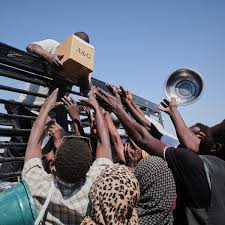
Sudan has been ranked as the world’s most severe humanitarian crisis once again, as escalating violence and political instability push millions of civilians deeper into desperation. Aid agencies warned on Tuesday that the ongoing war has devastated the country’s economy, collapsed health services, and left vast swathes of the population facing acute food shortages.
According to international humanitarian groups, fighting between rival military factions has intensified across key regions, forcing fresh waves of displacement and cutting off access to essential aid. More than half of Sudan’s population is now estimated to be in urgent need of humanitarian assistance, with children and elderly people among the most vulnerable. Relief workers say conditions have sharply deteriorated in recent months as supply routes remain blocked and insecurity hampers aid deliveries.
Hospitals and clinics are struggling to function amid shortages of medicine, fuel, and trained staff. In several conflict-hit areas, basic services such as clean water and electricity have collapsed entirely, raising fears of disease outbreaks. The United Nations has warned that malnutrition levels are rising rapidly, particularly among children, as families are pushed to the brink by soaring food prices and the loss of livelihoods.
The war has also triggered one of the largest displacement crises in the world. Millions of Sudanese have fled their homes, either seeking refuge within the country or crossing borders into neighbouring states that are themselves ill-equipped to cope with the influx. Aid agencies say overcrowded camps lack adequate shelter, sanitation, and protection, leaving displaced people exposed to further risks.
Despite repeated international appeals, humanitarian funding for Sudan remains critically short. Relief organisations say the gap between needs and available resources is widening, limiting their ability to respond effectively. “Without urgent and sustained support, the situation will only get worse,” one senior aid official warned, calling on donor countries to scale up assistance immediately.
Diplomatic efforts to halt the fighting have so far failed to deliver a lasting ceasefire. While regional and international mediators continue to push for talks, clashes on the ground show little sign of easing. Analysts warn that prolonged instability could further fragment the country and deepen the humanitarian catastrophe.
As Sudan tops the global humanitarian crisis watchlist yet again, aid groups stress that the crisis is not inevitable. They argue that increased international engagement, improved access for humanitarian workers, and renewed pressure on warring parties are essential to prevent an even greater loss of life in the months ahead.