Climate Experts Warn Global Forums of Urgent Need for Coordinated Action as Temperatures Rise
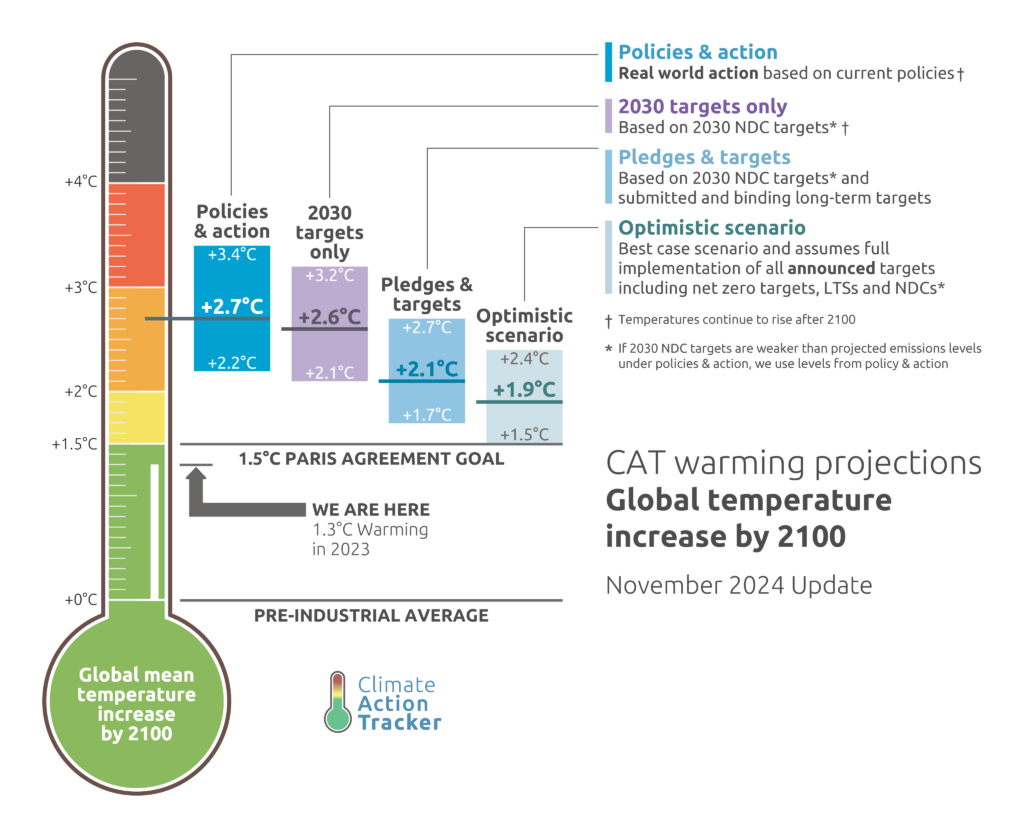
Climate experts meeting at major global forums have issued a renewed warning over rising temperatures and the growing frequency of extreme weather events, stressing that coordinated international action is now critical to prevent irreversible damage.
Scientists, policymakers, and environmental leaders gathering at climate-focused summits said recent data show the planet is warming faster than previously projected. Record-breaking heatwaves, prolonged droughts, deadly floods, and stronger storms are becoming more frequent across continents, directly affecting food security, water supplies, and public health.
Experts warned that isolated national efforts will no longer be enough. Instead, they called for coordinated strategies that bring governments, industries, and financial institutions together to sharply reduce greenhouse gas emissions while accelerating adaptation measures for vulnerable regions. Several speakers highlighted that developing countries are bearing the brunt of climate impacts despite contributing the least to global emissions.
“Extreme weather is no longer a future risk — it is a present reality,” climate researchers said during panel discussions. They pointed to recent disasters that displaced millions of people and caused billions of dollars in economic losses, underscoring the urgency for faster action.
Global forums also focused on the gap between climate pledges and actual implementation. While many countries have committed to net-zero targets, experts noted that current policies remain insufficient to meet those goals. Delays in transitioning away from fossil fuels, combined with rising energy demand, continue to push global temperatures higher.
Another major concern raised was climate financing. Experts urged wealthier nations to meet long-standing commitments to fund climate mitigation and adaptation in poorer countries. Without adequate financial support, many regions lack the resources needed to build resilient infrastructure or respond effectively to climate-related disasters.
Despite the warnings, climate leaders expressed cautious optimism. Advances in renewable energy, improved battery storage, and cleaner industrial technologies were highlighted as key tools that could help slow warming if adopted at scale. Experts stressed that decisive action over the next decade will determine whether global temperature rise can be kept within manageable limits.
As discussions continue at global forums, climate experts made it clear that time is running out. They urged world leaders to move beyond statements and agreements, warning that failure to act collectively now will lead to more severe consequences for economies, ecosystems, and future generations.
For more such articles, please follow us on LinkedIn and Instagram.