Venezuela and the US: How the Global Rush for Oil Is Fueling New Tensions
Ayan Khan December 15, 2025 0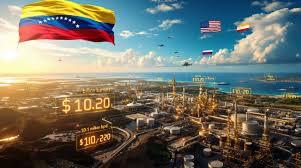
CARACAS/WASHINGTON — Tensions between Venezuela and the United States are once again being shaped by the global scramble for energy, as oil-rich Caracas finds itself at the centre of renewed geopolitical interest amid shifting supply chains and rising demand.
Venezuela holds the world’s largest proven oil reserves, yet years of US sanctions, political isolation and economic mismanagement have sharply curtailed its production and exports. As global energy markets remain volatile, analysts say Washington’s approach to Venezuela is increasingly influenced by concerns over supply security rather than ideology alone.
The United States, the world’s largest oil consumer, has been seeking alternative sources to stabilise markets after disruptions linked to geopolitical conflicts and production cuts elsewhere. That renewed focus has placed Venezuela back on the strategic map, even as longstanding disputes over democracy, human rights and governance remain unresolved.
In Caracas, the government has portrayed US interest in Venezuelan oil as evidence of what it calls foreign interference. Officials argue that sanctions have crippled the country’s economy while limiting its ability to invest in energy infrastructure. Washington, however, maintains that restrictions target corruption and democratic backsliding, not ordinary citizens.
Recent diplomatic engagements and limited easing of oil-related sanctions have raised expectations of a cautious thaw. US energy companies have been granted restricted licences to operate in Venezuela, a move that signals pragmatic cooperation while stopping short of a full policy reversal. Critics say the approach risks empowering an authoritarian government without securing meaningful political reforms.
Beyond bilateral relations, Venezuela’s oil has broader regional implications. The country has sought closer ties with China, Russia and Iran, all eager to expand their influence in Latin America’s energy sector. That alignment has further complicated US calculations, turning oil into both an economic asset and a geopolitical bargaining chip.
Experts warn that competition for energy resources can inflame existing tensions if diplomacy fails. “Oil has always been political in Venezuela,” one regional analyst said. “When global demand rises, so do the stakes.”
For ordinary Venezuelans, the debate carries real consequences. While increased oil exports could bring much-needed revenue, many remain sceptical that profits would translate into improved living conditions after years of economic hardship.
As the world transitions toward renewable energy, oil continues to shape power dynamics. In the short term, Venezuela’s vast reserves ensure it remains a focal point of international interest and potential conflict as the United States and others navigate the balance between energy needs and political principles.