‘Country of the blind’: How will Bangladesh remember Muhammad Yunus?
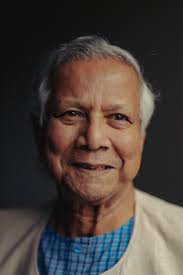
In Bangladesh, few public figures provoke as much admiration — and controversy — as Muhammad Yunus. To supporters, he is a Nobel Peace Prize winner who reshaped global thinking on poverty. To critics, he is a divisive elite figure whose legacy remains deeply contested at home. As legal battles and political tensions continue to surround his name, Bangladesh is left asking how history will ultimately remember him.
Yunus rose to international prominence in the 1970s, when he pioneered microcredit through the Grameen Bank, offering small loans to the rural poor — particularly women — who were excluded from traditional banking. The model transformed development economics and was replicated worldwide, earning Yunus the 2006 Nobel Peace Prize. Globally, his reputation became synonymous with social entrepreneurship and ethical capitalism.
Yet within Bangladesh, the story has always been more complicated.
Success brought influence, and influence drew political scrutiny. Yunus’s brief foray into politics in the mid-2000s unsettled established power structures, while his outspoken criticism of governance failures earned him both praise and backlash. Over the years, disputes with the government — including legal cases related to labor laws and financial management — have turned Yunus into a symbol of a deeper struggle between civil society, political authority, and institutional control.
The phrase “country of the blind,” often used by Yunus’s supporters, reflects a belief that Bangladesh has failed to protect one of its most globally respected citizens. Critics reject this framing, arguing that no individual should be placed above national laws or democratic accountability. The divide reveals a broader tension in Bangladesh’s political culture: the uneasy coexistence of global recognition and domestic legitimacy.
How Yunus is remembered may depend less on court verdicts and more on the passage of time. Internationally, his name will likely remain etched alongside figures who redefined development thinking. At home, his legacy may be debated as a cautionary tale about the limits of moral authority in a polarized political system.
In the end, Muhammad Yunus’s story mirrors Bangladesh’s own contradictions — ambition and anxiety, innovation and intolerance, global praise and local unease. History may not deliver a single verdict, but it will remember him as a man who forced his country — and the world — to confront uncomfortable questions about power, poverty, and who gets to shape the future.