‘No Expectations’: Bangladesh Election Means Little to 1m Rohingya Refugees
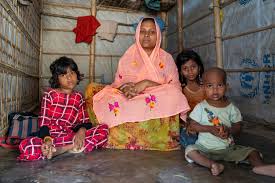
COX’S BAZAR, BANGLADESH — As Bangladesh heads into a national election, nearly one million Rohingya refugees living in sprawling camps along the country’s southeast coast say the vote offers little hope of change for their lives, which remain defined by uncertainty, restrictions, and dependence on aid.
Most Rohingya fled Myanmar’s Rakhine state following a military crackdown in 2017 and have since been housed in overcrowded camps in Cox’s Bazar. While Bangladeshi political parties campaign across the country, refugees say they remain largely excluded from the political conversation, with no clear policies addressing their long-term future.
“We have no expectations,” said a Rohingya community leader in Kutupalong camp. “Every election comes and goes, but our situation stays the same.”
Bangladesh’s government has repeatedly stressed that the Rohingya are temporary guests and must eventually return to Myanmar, where conditions remain unsafe and unstable. Repatriation efforts have stalled, and refugees say they fear forced returns without guarantees of citizenship, safety, and rights.
Life in the camps remains harsh. Refugees face strict movement restrictions, limited access to education and formal employment, and declining humanitarian assistance as donor funding shrinks. Aid agencies warn that food ration cuts and underfunded health services are worsening conditions, particularly for children and the elderly.
Security concerns have also grown in recent years, with armed groups operating inside some camps and reports of violence, drug trafficking, and intimidation. Refugees say they feel caught between criminal elements and tighter policing measures that further restrict daily life.
Bangladeshi officials argue that hosting such a large refugee population has placed a heavy economic and environmental burden on local communities, and that international support has not matched the scale of the crisis. The government has urged global partners to pressure Myanmar to create conditions for safe and voluntary returns.
For many Rohingya, however, elections in Bangladesh offer little reassurance. “We cannot vote, we cannot work, and we cannot go home,” said a refugee mother of three. “So what changes for us after the election?”
As Bangladesh prepares to choose its next government, Rohingya refugees say their future remains frozen — shaped more by regional politics and international diplomacy than by ballots cast beyond the camp fences.