A Vote for Continuity? What to Know for Costa Rica’s Presidential Election
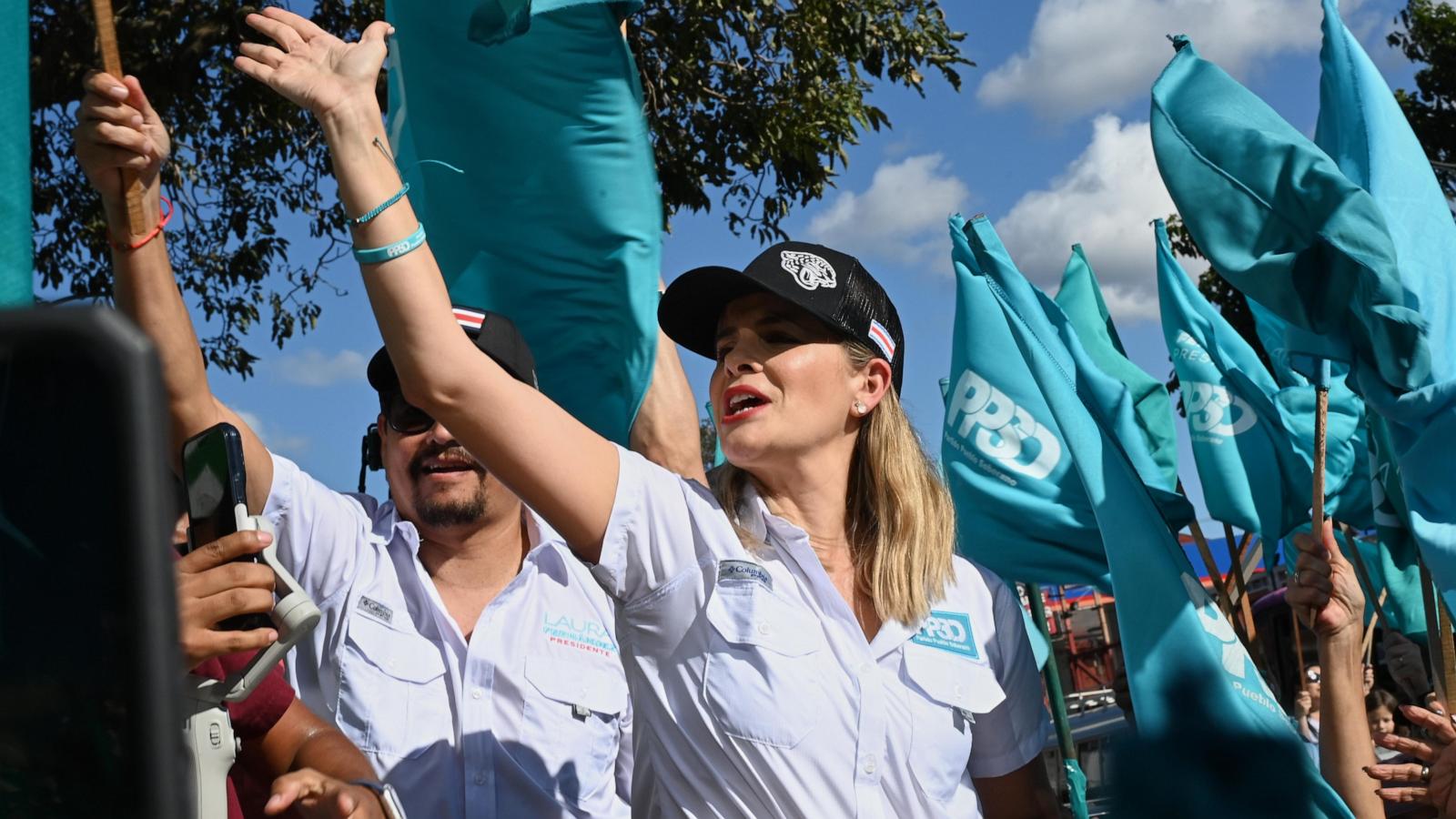
Costa Rica prepares for a pivotal presidential election that could shape the nation’s political and economic path for years to come. As voters head to the polls, the central question for many is whether to support continuity with existing policies or pivot toward new leadership amid rising social and economic pressures.
The election comes at a moment of heightened public debate over inflation, public security, and the pace of economic recovery after global disruptions caused by the COVID-19 pandemic and persistent global supply chain challenges. Analysts say these issues are dominating voter concerns, especially among younger and middle-income Costa Ricans who are looking for both stability and tangible improvements in daily life.
Incumbent-aligned candidates have emphasized continuity, arguing that sustained policy direction is essential to maintain investor confidence and long-term economic growth. Supporters of continuity point to Costa Rica’s relative stability in Central America, continued foreign direct investment, and ongoing efforts to modernize infrastructure and digital services.
However, opposition figures and grassroots movements are pushing back, citing ongoing challenges in crime rates, housing costs, and public sector efficiency. Several opposition candidates have gained traction by promising reforms aimed at strengthening public safety, expanding social programs, and enhancing transparency in government spending.
Political commentators note that Costa Rica’s unique electoral system — which requires a candidate to secure over 40% of the vote to win in the first round — could mean a runoff if no contender achieves a clear majority. This dynamic adds complexity to campaign strategies, pushing candidates to build broader coalitions and appeal across traditional party lines.
International observers are also watching closely. Costa Rica has long been regarded as one of the most stable democracies in Latin America, and this election will be viewed as a barometer for democratic resilience in the region. Foreign governments and international organizations have encouraged a peaceful, transparent voting process.
Turnout is expected to be strong, with civically engaged citizens emphasizing the importance of participation in shaping the country’s future. As ballots are counted and results begin to emerge, both domestic and global audiences will be closely monitoring what this election says about Costa Rica’s direction — whether voters choose continuity or call for change.
For more such articles, please follow us on LinkedIn and Instagram.