Trump Administration Imposes 25% Tariff on Advanced AI Chips Major Tech and Trade Policy Move
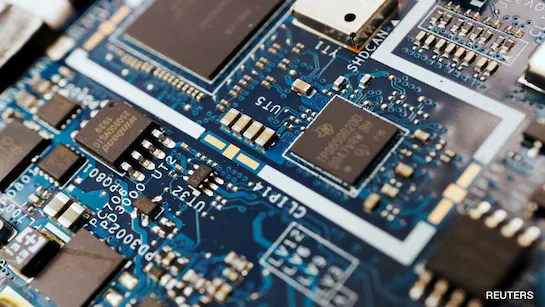
The Trump administration has announced a 25% tariff on advanced artificial intelligence (AI) chips imported from overseas, signaling a major shift in U.S. tech and trade policy. The move aims to encourage domestic manufacturing of critical AI hardware while reducing reliance on foreign suppliers.
The tariffs, which take effect immediately, target AI chips used in high-performance computing, data centers, and next-generation machine learning systems. Officials said the measure is designed to strengthen U.S. technological leadership and protect national security interests amid increasing global competition in AI development.
“This is a decisive step to ensure that America remains at the forefront of AI innovation,” said a senior White House trade advisor. “By supporting domestic chip production, we can protect our critical technologies and create high-skilled manufacturing jobs at home.”
Industry reactions have been mixed. U.S.-based chip manufacturers welcomed the move, citing potential growth in production and R&D investment. However, major tech companies and international trade groups have expressed concerns that the tariff could increase costs for AI development, slow adoption, and disrupt global supply chains for advanced computing hardware.
The announcement also comes amid escalating trade tensions with countries that supply the majority of advanced semiconductors, including Taiwan, South Korea, and China. Analysts warn that the tariffs could provoke retaliatory measures, complicating an already volatile global tech trade landscape.
Market response was immediate: shares of U.S.-based semiconductor firms rose on expectations of higher domestic demand, while stocks of companies heavily reliant on imported AI chips experienced short-term volatility. Tech analysts predict that the impact on cloud computing, AI startups, and consumer electronics could become more apparent in the coming months.
Policy experts note that this measure is part of a broader strategy to secure critical technology supply chains, reduce dependence on foreign manufacturing, and assert U.S. leadership in AI — a field increasingly central to both economic competitiveness and national security.
While the administration defends the tariff as a long-term investment in U.S. innovation, international partners and tech companies will be closely watching the outcome. The move underscores the growing intersection of technology policy, trade strategy, and geopolitical considerations in shaping the global AI landscape.
For more such articles, please follow us on LinkedIn and Instagram.