Iran Temporarily Shuts Airspace Amid Rising Tensions Airlines Reroute as Middle East Volatility Escalates
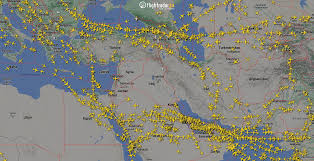
Iran temporarily closed its airspace to most commercial flights early Thursday amid escalating tensions with the United States and ongoing widespread protests within the country, forcing airlines to reroute, delay, or cancel services on key international routes.
According to aviation notices, the closure began late Wednesday afternoon and lasted nearly five hours before authorities lifted restrictions shortly before 10 p.m. ET. During the shutdown, only flights to and from Iran that received special clearance were permitted to operate, while other international traffic was barred from overflying Iranian skies.
The sudden closure disrupted global flight operations, with major carriers adjusting their routes to avoid potential security risks in the region. India’s Air India, IndiGo, and SpiceJet all issued advisories warning passengers of possible delays and cancellations, urging travelers to check flight statuses before heading to airports.
Germany’s aviation authority also advised airlines to avoid Iranian airspace, prompting Lufthansa and other European carriers to temporarily revise their schedules and bypass the region entirely. Flight-tracking data showed international flights diverting around Iranian airspace, significantly extending travel times on some long-haul routes.
The unexpected airspace restriction comes amid heightened geopolitical tensions, including Tehran’s tense standoff with Washington and significant civil unrest at home. Iran’s decision to halt overflights raised concerns among aviation safety groups, especially given past incidents in the region, which underscore the risks of misidentification of civilian aircraft during periods of heightened military alert.
Aviation analysts say that while the closure was brief, it highlights broader uncertainties for airlines that rely on Middle Eastern flight corridors connecting Asia and Europe. For many carriers, Iranian airspace represents the most direct route between the two regions, and sustained restrictions could have long-term impacts on scheduling, fuel costs, and passenger travel plans.
After reopening the skies, Iranian carriers, including Mahan Air and Yazd Airway,s resumed normal operations, but international airlines continue to adjust flight paths amid evolving risk assessments.
As diplomats call for de-escalation, the aviation sector remains on high alert, watching closely for any further developments that could affect the safety and reliability of international air travel across the Middle East.
For more such articles, please follow us on LinkedIn and Instagram.