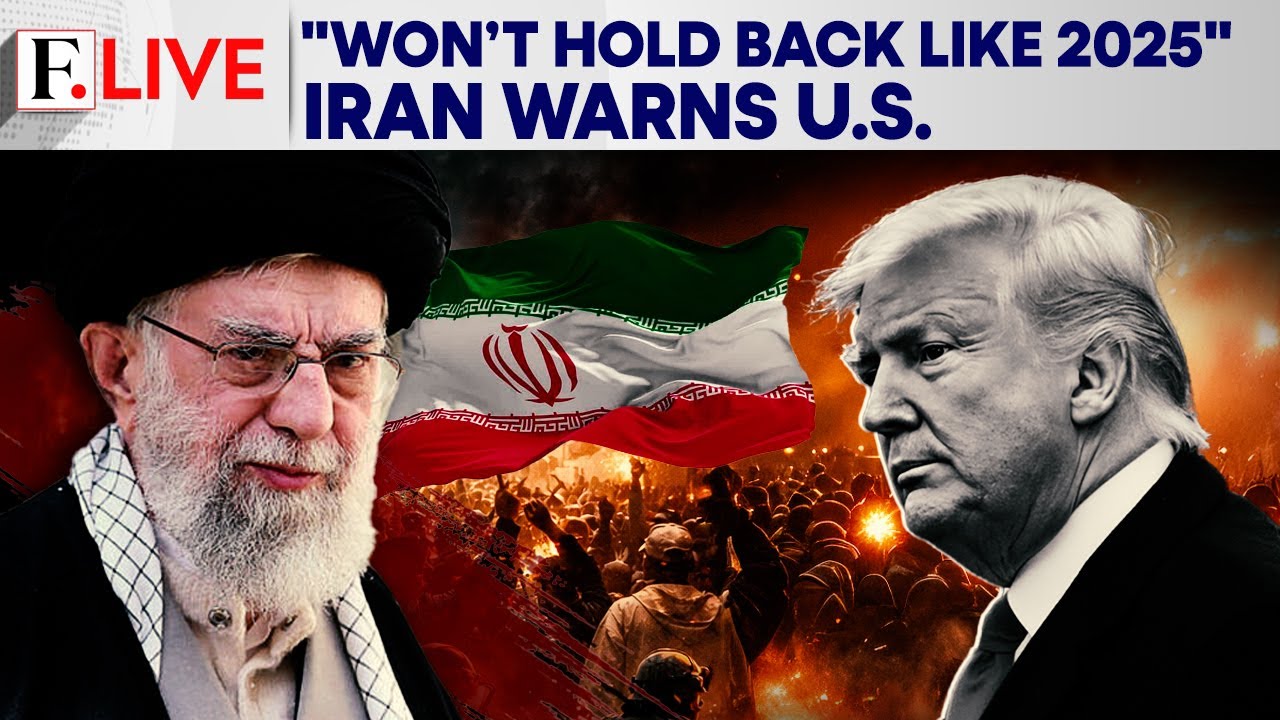
Iran Protests Intensify as Death Toll Surpasses 2,500 Amid Crackdown
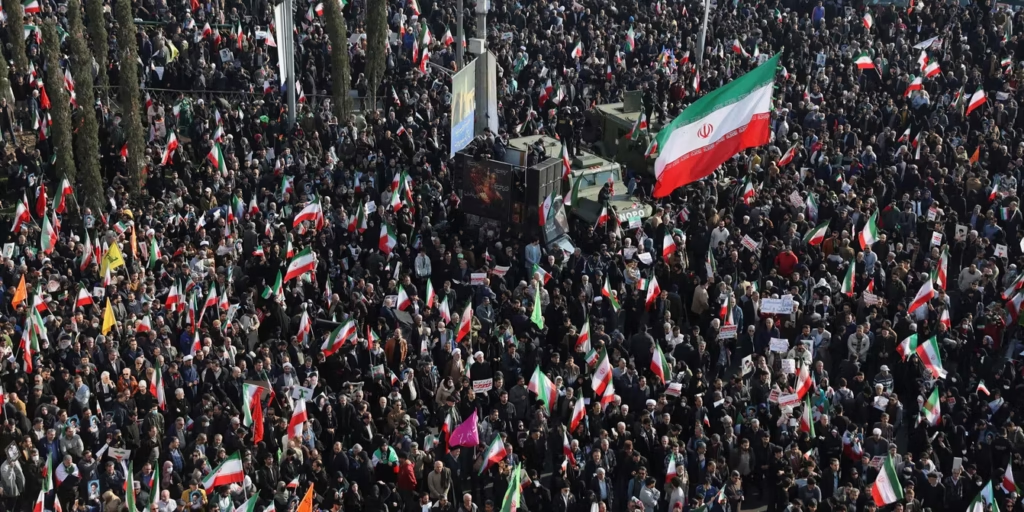
Iran is facing one of the deadliest waves of unrest in its modern history as nationwide protests continue to grow and the reported death toll climbs above 2,500. Demonstrations, now in their third week, have spread across major cities including Tehran, Mashhad, Isfahan, Shiraz, and Tabriz, despite an escalating government crackdown.
Authorities have imposed widespread internet restrictions, cutting off mobile data and limiting access to social media platforms in what activists describe as an attempt to isolate protesters and prevent images from reaching the outside world. In several areas, electricity outages have also been reported, deepening concerns that the government is using infrastructure shutdowns as a tool to suppress dissent.
Witnesses and human rights groups say security forces have used live ammunition, tear gas, and mass arrests to disperse crowds. Hospitals in multiple provinces are reportedly overwhelmed, while families of detainees claim they have received little to no information about the whereabouts of their loved ones.
The protests were initially sparked by economic hardship and rising living costs, but they have quickly evolved into broader calls for political reform and accountability. Chants demanding freedom of expression and an end to corruption have become common at nightly gatherings, even as the risks for participants continue to grow.
International reaction has been swift. Several governments have condemned the violence and urged Iranian authorities to respect the right to peaceful assembly. Human rights organizations are calling for an independent investigation into the deaths and for immediate access to detained protesters.
Despite the intense pressure, many demonstrators say they have no intention of backing down. Videos circulating through encrypted messaging apps show crowds using phone flashlights to light up darkened streets — a powerful symbol of resistance in the face of blackouts and censorship.
As the situation unfolds, Iran stands at a critical crossroads. With tensions rising and public anger deepening, the coming days could determine whether the unrest fades under force or transforms into a defining moment in the country’s political future.
For more such articles, please follow us on LinkedIn and Instagram.