Iran Unrest Intensifies as Heavy Clashes Leave Rising Death Toll
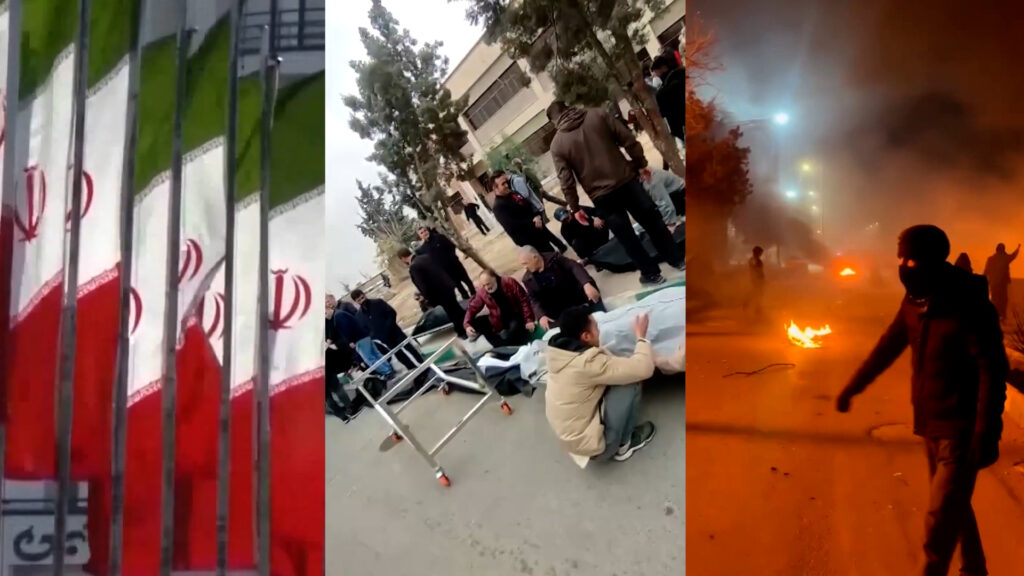
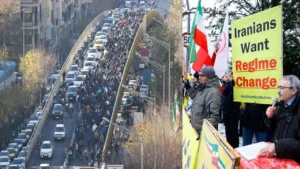
Iran is facing one of its most volatile periods in years as nationwide unrest escalates into violent confrontations between protesters and security forces, with reports of a growing death toll adding urgency to international concern. Demonstrations that began over economic hardship and political frustration have now spread across major cities, including Tehran, Mashhad, Isfahan, and Shiraz, turning into sustained street clashes overnight.
Witnesses say security forces used tear gas, water cannons, and, in some areas,s live ammunition to disperse crowds, while protesters responded by setting fire to police vehicles and government buildings. Hospitals in several cities have reported an influx of injured civilians, and human rights groups claim the number of fatalities is rising steadily. However, exact figures remain difficult to verify due to restricted media access.
The Iranian government has imposed partial internet blackouts in multiple provinces, limiting communication and making it harder to confirm developments on the ground. Officials insist the measures are necessary to prevent the spread of “misinformation” and to restore public order. State media continues to describe the unrest as the work of “foreign-backed agitators,” a claim rejected by activists who say the protests reflect deep-rooted domestic anger.
The latest violence comes at a time when Iran is already under intense economic pressure from international sanctions and high inflation. Analysts believe these pressures have pushed public frustration to a breaking point. “This is no longer just about one issue,” said a regional political expert. “It has become a broader expression of discontent with governance, economic conditions, and social freedoms.”
International reaction has been swift. Several Western governments have urged Iranian authorities to show restraint and respect the right to peaceful protest, while the United Nations has called for an independent investigation into reports of excessive force.
For ordinary Iranians, the crisis is becoming increasingly personal. Families in affected areas are staying indoors after dark, schools have closed in some districts, and businesses are struggling to remain open amid uncertainty.
As clashes continue and the death toll rises, the unfolding unrest in Iran is fast becoming a defining moment for the country’s future stability — and a critical test of how authorities respond to one of the most serious challenges to public order in recent years.
For more such articles, please follow us on LinkedIn and Instagram.