Iran Flips Internet “Kill Switch” Amid Rising Protests and Alleged Abuses
Iran has imposed a near-total nationwide internet shutdown as anti-government protests continue to spread, in what digital rights groups and analysts describe as a deliberate use of an “internet kill switch” to curb information flow and hinder public coordination.
The blackout, which began on January 8, has left much of the country’s 85 million people cut off from global networks, with connectivity plunging to a tiny fraction of normal levels. Major monitoring groups such as NetBlocks have confirmed a dramatic drop in internet traffic, consistent with an engineered shutdown rather than a technical fault.
Authorities have not acknowledged detailed reasons for the communications blackout, but analysts say it is a calculated attempt to suppress evidence of widespread unrest and alleged abuses by security forces. The shutdown affects mobile data, broadband, and access to foreign platforms, with only limited domestic services operating under heavy state control.
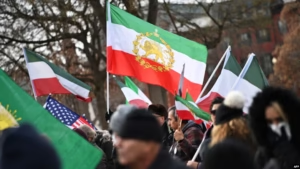
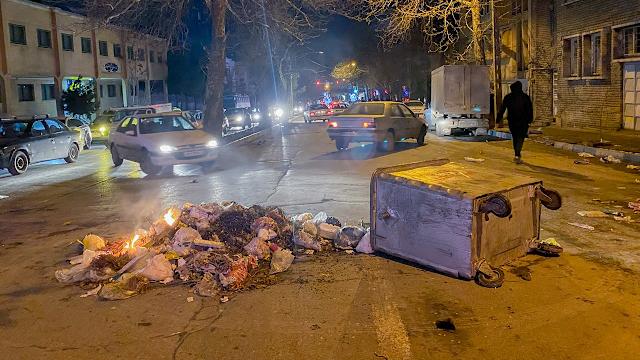
The move comes amid escalating anti-government demonstrations driven by deep economic hardship, rising living costs, and broad discontent with the clerical leadership. Despite the restrictions, protests have continued across major cities and provinces, illustrating the demonstrators’ determination to push back against efforts to isolate them.
Human rights organizations, including Amnesty International, have criticized the blackout as a tool to conceal alleged human rights violations, including lethal force and mass arrests. Reports indicate hundreds of protest-related deaths and thousands of detentions, though the internet shutdown has made independent verification difficult.
International reaction has been swift, with foreign governments expressing concern over Iran’s escalating crackdown and urging respect for fundamental freedoms, including the right to information. Some analysts warn that the use of digital suppression tactics deepens mistrust between the government and its citizens, further fueling dissent.
As Iran remains largely offline, advocates for internet freedom are calling for global pressure to restore connectivity and ensure that information about events inside the country flows freely once again. Against a backdrop of mounting unrest, the digital blackout stands as both a symbol and an instrument of the current crisis.
For more such articles, please follow us on LinkedIn and Instagram.