Thailand and Cambodia Sign New Ceasefire Deal After Weeks of Deadly Border Clashes
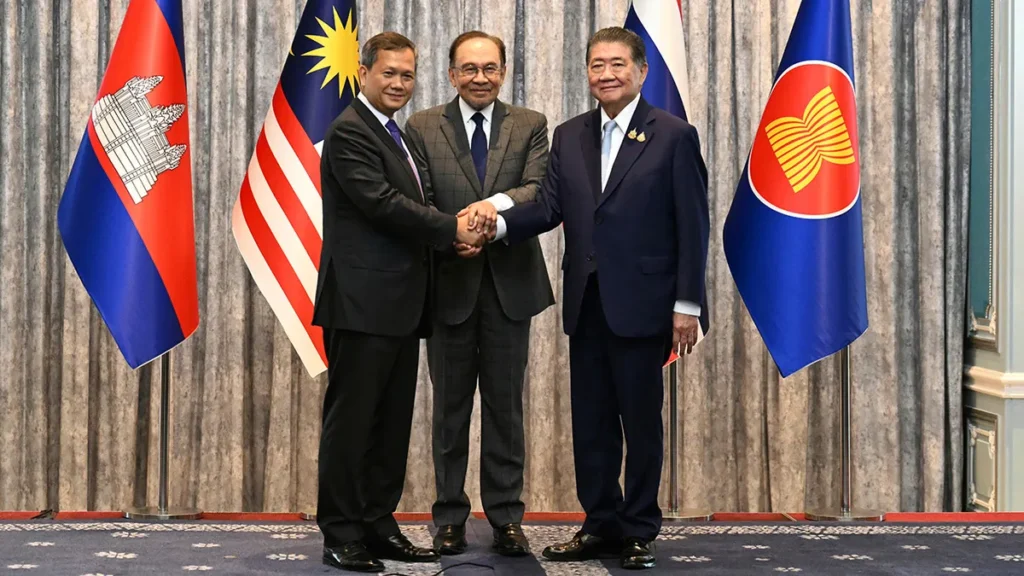
Thailand and Cambodia have agreed to a new ceasefire along their disputed border following weeks of deadly clashes that raised fears of a wider escalation between the two Southeast Asian neighbours, officials from both countries confirmed on Friday.
The agreement was reached after intensive diplomatic talks aimed at halting violence that has left several soldiers dead and forced thousands of civilians to flee border areas. Military commanders from both sides said the ceasefire would take immediate effect, with troops ordered to stand down and avoid further confrontations.
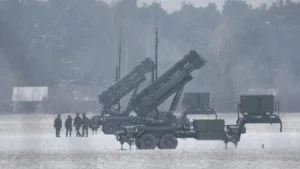
Tensions flared earlier this month after armed incidents near contested stretches of the frontier, an area long plagued by unresolved territorial disputes dating back decades. The clashes involved exchanges of gunfire and artillery, prompting emergency evacuations in nearby villages and drawing concern from regional partners.
Officials in Bangkok and Phnom Penh said the new ceasefire includes mechanisms for direct military communication to prevent misunderstandings and rapid escalation. Joint patrols and monitoring efforts are expected to follow, alongside renewed dialogue through bilateral committees.
Cambodia’s government welcomed the agreement, calling it a necessary step to protect civilians and restore stability. Thai officials echoed the sentiment, stressing the importance of maintaining peace while negotiations continue to address underlying border issues.
Regional observers said pressure from the Association of Southeast Asian Nations (ASEAN) played a role in pushing both sides toward de-escalation. The bloc has repeatedly urged restraint, warning that prolonged conflict could undermine regional security and economic confidence.
The clashes disrupted trade and cross-border movement, affecting local economies dependent on tourism and commerce. Analysts say a sustained ceasefire could help ease investor concerns and stabilise affected border provinces.
Despite the breakthrough, challenges remain. Previous ceasefire agreements between the two countries have collapsed amid accusations of violations. Analysts caution that lasting peace will depend on consistent enforcement, transparency, and progress toward resolving the disputed boundary.
For now, residents along the border are cautiously hopeful. As calm begins to return, attention is shifting to whether diplomatic momentum can translate into a durable solution after years of intermittent tension.
For more such articles, please follow us on LinkedIn and Instagram.