Sri Lanka Continues Recovery After Economic Crisis
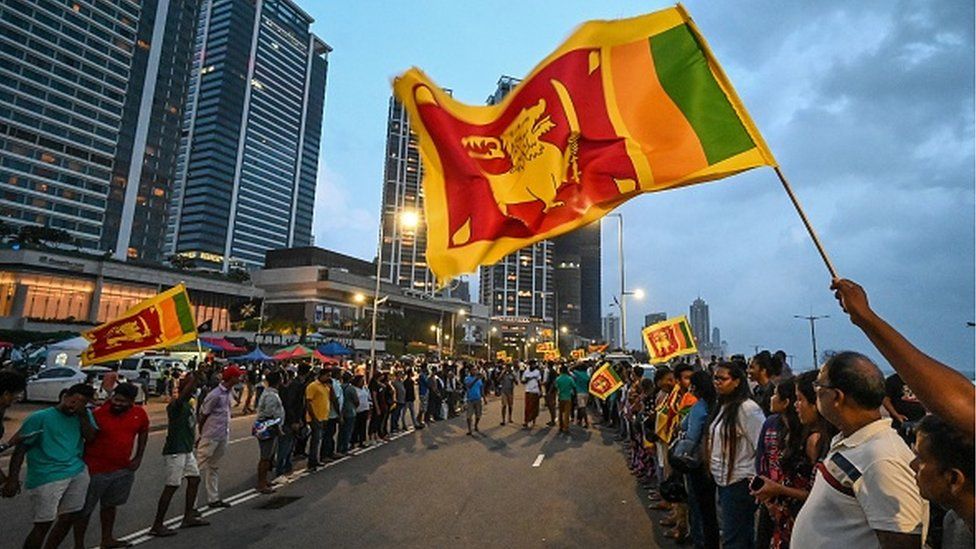
Sri Lanka is continuing its gradual recovery from a severe economic crisis, as signs of stabilisation emerge alongside ongoing challenges linked to debt, inflation, and public confidence, according to government officials and economic analysts.
After experiencing one of its worst financial collapses in decades, the island nation has made progress in restoring basic economic stability. Inflation has eased significantly from its peak, the currency has stabilised, and shortages of fuel and essential goods have largely subsided. Authorities credit tighter monetary policy, fiscal reforms, and international support for helping to stabilise the economy.
A key pillar of Sri Lanka’s recovery has been support from international lenders, including the International Monetary Fund, which has backed reforms aimed at restoring debt sustainability and improving public finances. The government has implemented tax increases, reduced subsidies, and strengthened revenue collection, measures that officials say are necessary to rebuild credibility and unlock further financial assistance.
Tourism, a vital source of foreign currency, has shown signs of revival. Visitor numbers have risen steadily, providing relief to businesses hit hard during the crisis years. Exports and remittances have also contributed to improved foreign exchange inflows, easing pressure on the balance of payments.
Despite these gains, challenges remain significant. Many households continue to struggle with high living costs, particularly food and energy prices, which remain elevated compared to pre-crisis levels. Wage growth has not fully kept pace, and poverty levels remain a concern, especially among low-income and rural communities.
Political and social pressures persist as well. Public dissatisfaction over austerity measures and economic reforms has not fully faded, with critics arguing that the burden of adjustment has fallen disproportionately on ordinary citizens. Maintaining public support while continuing reforms remains a delicate task for policymakers.
Economists caution that Sri Lanka’s recovery remains fragile and dependent on continued reform momentum and external support. Any delays in restructuring debt, policy reversals, or global economic shocks could undermine recent progress.
For now, Sri Lanka’s improving indicators suggest a cautious path toward recovery. However, analysts warn that sustained growth and long-term stability will require consistent policy execution, social protection measures, and renewed investor confidence in the months ahead.
For more such articles, please follow us on LinkedIn and Instagram.