UK Politics: Labour Deputy Leader Stresses Manifesto Commitment Amid Policy Debates
Britain’s Labour Party has sought to reinforce unity and discipline as Deputy Leader Angela Rayner stressed the party’s commitment to its election manifesto amid growing internal debate over policy direction and future relations with the European Union.
Speaking during a series of political engagements on Tuesday, Rayner underlined that Labour would remain bound by the promises made to voters, pushing back against suggestions that the party could soften or shift key positions once in government. Her remarks come as senior Labour figures publicly debate issues including economic reform, industrial policy, and trade ties with the EU.
Rayner said respecting the manifesto was essential to maintaining public trust, noting that voters expect clarity and consistency after years of political turbulence. “We were elected on a programme, and that programme matters,” she said, in comments seen as an effort to calm speculation about potential policy drift.
The intervention follows comments from other Labour leaders that hinted at a more flexible approach to cooperation with the European Union, including discussions around customs arrangements and regulatory alignment. While the government has ruled out rejoining the EU, such remarks have prompted criticism from opposition parties and concerns among some Labour supporters about mixed messaging.
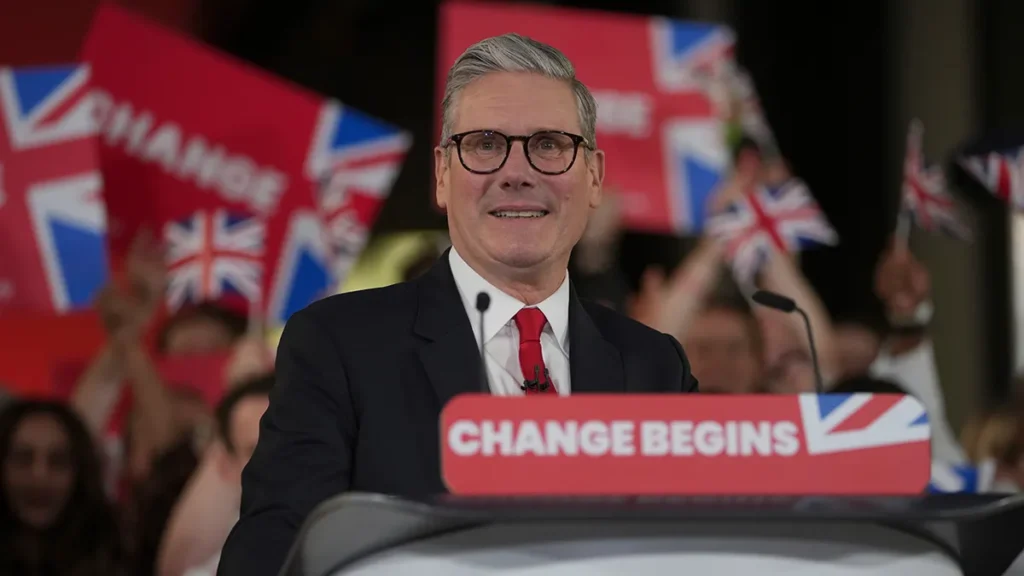
Prime Minister Keir Starmer has repeatedly said his government is focused on economic stability and rebuilding international relationships without reopening divisive constitutional debates. However, analysts say tensions within Labour reflect broader challenges as the party balances pragmatism in government with expectations from its electoral base.
The Conservatives accused Labour of sending “confusing signals” on major policy issues, arguing that uncertainty could undermine business confidence. Meanwhile, smaller parties and civil society groups are pressing the government to go further on social reform, public services, and workers’ rights.
Political observers note that Rayner’s comments highlight Labour’s effort to project cohesion at a time when scrutiny of its early policy decisions is intensifying. With economic pressures persisting and public expectations high, the government faces limited room for error.
As parliamentary debates continue, Labour leaders are expected to maintain a careful tone, emphasising stability, delivery, and adherence to commitments made during the election campaign. Whether that approach satisfies both critics and supporters remains a key question shaping the next phase of UK politics.
For more such articles, please follow us on LinkedIn and Instagram.